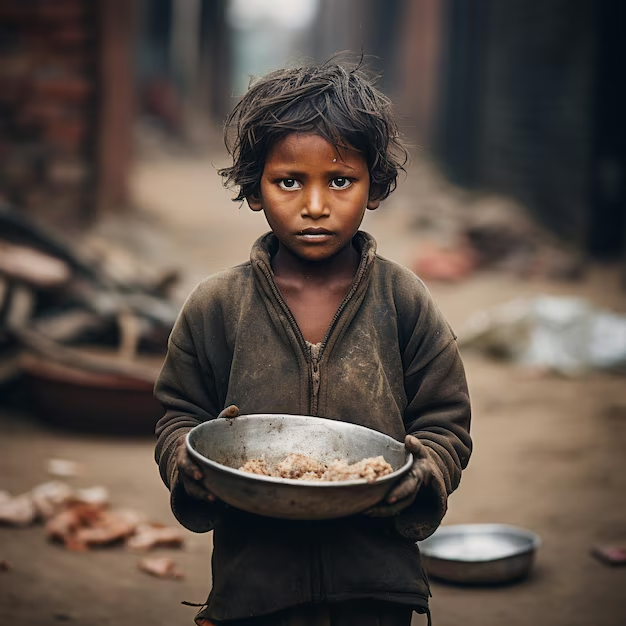

Poverty as a Living Reality
Poverty is more than a lack of income; it is a cycle that traps families across generations. According to the World Bank, over 700 million people globally live on less than $1.90 a day, struggling to meet the most basic needs for food, shelter, healthcare, and education. For many, poverty is a daily reality: children attend school hungry, parents work multiple jobs yet cannot afford adequate housing, and communities face chronic insecurity.
Breaking the cycle of poverty requires understanding that it is multidimensional. Financial deprivation is only one aspect; social inequality, limited access to education and healthcare, systemic discrimination, and environmental shocks all reinforce it. Families born into poverty often remain there because the system is stacked against them, while opportunities to escape are scarce.
Every statistic represents a human story. In rural Uganda, a girl may drop out of school at age ten to care for younger siblings, diminishing her chances of future employment. In urban slums of India, boys grow up exposed to malnutrition and unsafe living conditions, limiting their cognitive and physical development. Poverty is not just measured in dollars; it is measured in lost potential, dreams deferred, and futures stolen.
Part I: The Scale of Poverty
Globally, poverty manifests in stark contrasts. High-income countries provide social safety nets, healthcare, and education, while low-income nations face persistent challenges. Sub-Saharan Africa remains the region with the highest rates of extreme poverty, with over 40% of the population living below the international poverty line. South Asia, though improving economically, still has hundreds of millions in poverty, often in rural areas where access to clean water, sanitation, and schools is limited.
Urban poverty is a growing concern. Mega-cities such as Lagos, Mumbai, and Dhaka host sprawling slums where families live without formal housing, electricity, or sanitation. Residents face high unemployment, insecure jobs, and exposure to environmental hazards like floods and heatwaves. Poverty here is cyclical: poor health and low education levels reduce employment prospects, reinforcing economic hardship.
The cycle of poverty is also perpetuated by economic inequality. Wealth concentration in the hands of a few limits social mobility and access to opportunities. Children born into low-income households often inherit not just limited wealth but limited networks, limited schooling, and limited chances to escape the circumstances of their parents.
Part II: Stories Behind Poverty
Africa: The Struggle of Rural Families
In northern Nigeria, a mother named Halima wakes at dawn to fetch water from a river two kilometers away. She carries it home to feed her family, while her children miss school and risk illness from contaminated water. Agriculture is their main income, yet unpredictable rainfall and poor infrastructure often destroy crops. Halima’s story is not unique—it represents millions of families trapped in poverty, dependent on subsistence farming and vulnerable to climate and market shocks.
Asia: Education Deferred
In rural India, twelve-year-old Ravi walks three hours daily to attend a government school. Despite his determination, his family sometimes requires him to work in the fields to supplement household income. Education, which could break the cycle of poverty, competes with survival. Stories like Ravi’s illustrate that poverty is not just material deprivation—it limits opportunity, ambition, and growth.
Latin America: Urban Slums
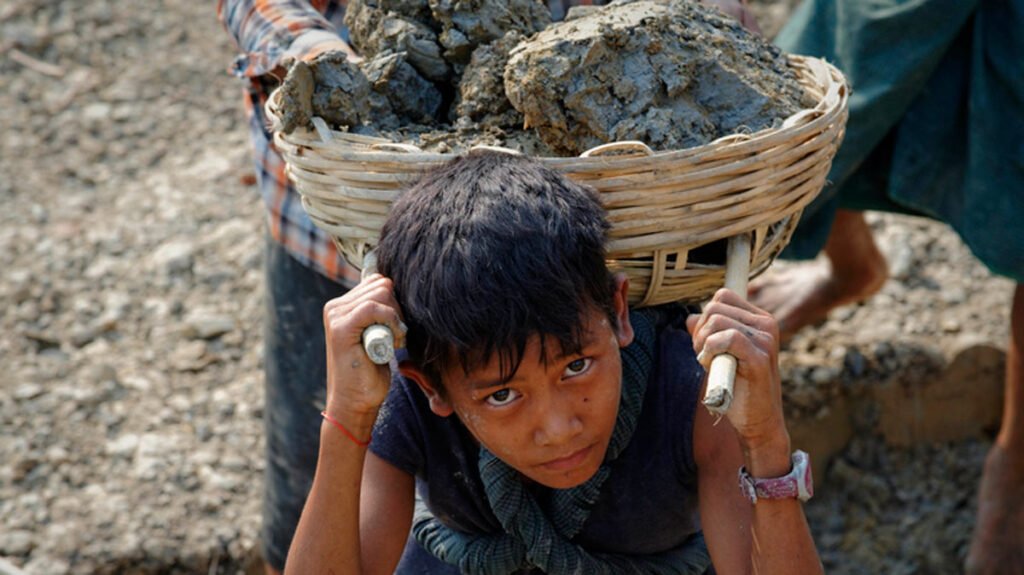
In Brazil’s favelas, families live in overcrowded conditions without sanitation or clean water. Children are exposed to disease and violence, while adults often work informal jobs with irregular income. Poverty here is cyclical: poor education limits job opportunities, forcing children into early labor or risky survival strategies.
Part III: Gender and Poverty
Women and girls bear a disproportionate burden of poverty. Globally, women earn 20% less than men, have limited access to land, and often carry unpaid domestic responsibilities. In many low-income countries, women fetch water, care for children, and manage households while having little time or opportunity for education or employment.
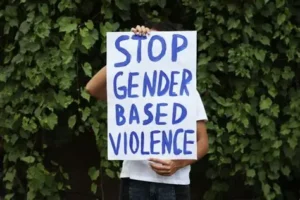
Gender inequality reinforces the cycle of poverty. Girls pulled from school for domestic work are less likely to achieve economic independence. Women lacking financial literacy or access to credit cannot start businesses. In crisis situations—like floods or droughts—women face higher risks of exploitation and violence.
Yet women also drive solutions. Across Africa and Asia, women-led cooperatives manage microfinance projects, water distribution, and community health programs. Empowering women is therefore critical in breaking the cycle of poverty, both for families and for society.
Part IV: Education as a Pathway Out
Education is one of the most powerful tools to break poverty. Literate and skilled individuals are more likely to access stable employment, engage in entrepreneurship, and advocate for their rights. UNESCO reports that each additional year of schooling can increase earnings by up to 10%, and educated mothers are more likely to ensure their children survive and thrive.
However, barriers remain. Poor families often cannot afford school fees, uniforms, or transportation. Children in rural areas may need to contribute to household labor. In conflict zones or regions affected by climate disasters, schools may be destroyed or unsafe. The cycle of poverty is therefore reinforced when access to education is limited.
Innovative solutions, such as scholarship programs, conditional cash transfers, mobile schools, and community education initiatives, have shown promise in giving children a real chance to escape poverty.
Part V: Health and Poverty
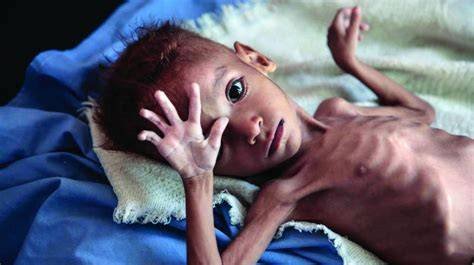
Poverty and health are tightly intertwined. Malnutrition, lack of access to clean water, inadequate sanitation, and limited healthcare create a vicious cycle. Poor health reduces the ability to work, decreases school attendance, and increases long-term medical costs, further entrenching poverty.
In sub-Saharan Africa, children under five face high mortality rates from preventable diseases. In South Asia, millions suffer from stunted growth due to malnutrition. Chronic illnesses and poor maternal health keep families in survival mode. Addressing these issues is not just a moral imperative—it is an economic and social necessity to break the cycle of poverty.
Part VI: Economic Barriers
Poverty is also an economic trap. Low-income families often work informal jobs with irregular pay, lack access to credit, and are excluded from social protection programs. Microfinance programs have helped some families start small businesses, but systemic barriers—like discrimination, corruption, and market exclusion—persist.
Unemployment, underemployment, and low wages perpetuate the cycle of poverty, preventing families from building assets, investing in education, or saving for emergencies. Economic empowerment programs, job training, and fair wage policies are essential interventions.
Part VII: Migration and Poverty
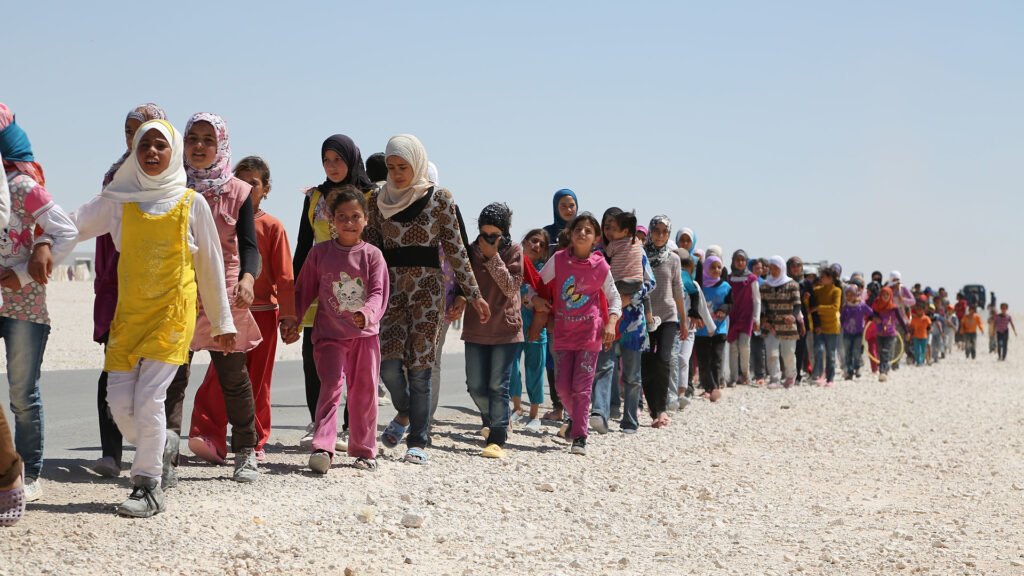
Poverty often drives migration. Rural families move to cities seeking jobs, only to find informal settlements with poor living conditions. Climate change also exacerbates this, as droughts, floods, and storms destroy livelihoods. Migrants face social exclusion, limited access to education and healthcare, and vulnerability to exploitation.
Breaking the cycle of poverty requires not only creating local opportunities but also supporting migrants with social programs, housing, and access to services. Addressing migration and urban poverty together ensures sustainable solutions.
Part VIII: Policy and Governance
Governments play a central role in breaking poverty cycles. Policies that ensure social protection, universal education, healthcare access, and gender equality can transform lives. Conditional cash transfer programs in Latin America, for example, have reduced child labor and increased school attendance.
International organizations also play a role. Programs like the UN Sustainable Development Goals target poverty eradication, education, and gender equality, recognizing that multidimensional interventions are essential. However, corruption, lack of resources, and weak governance often limit effectiveness.
Part IX: Solutions and Interventions
Breaking the cycle of poverty requires a multi-pronged approach:
- Education for All: Ensure universal access to quality schooling.
- Healthcare Access: Provide affordable, preventive, and emergency healthcare.
- Women’s Empowerment: Expand economic opportunities and rights for women.
- Microfinance and Employment: Support small businesses and create jobs.
- Social Safety Nets: Implement cash transfers, food programs, and housing initiatives.
- Community Participation: Engage local communities in decision-making and resource management.
- Policy and International Support: Align national policies with global development goals.
These interventions must be coordinated and sustained to be effective. Piecemeal efforts rarely break generational poverty; systemic change is essential.
Poverty is a global challenge that intersects with health, education, and economic opportunity. Organizations like UNICEF provide critical support for children living in extreme poverty, while the World Bank funds initiatives focused on economic empowerment and access to education. Programs such as UNDP’s community development projects demonstrate how local solutions can create lasting change, and research from UNESCO highlights the transformative power of education in breaking intergenerational poverty. Meanwhile, microfinance organizations like Grameen Bank empower women to build sustainable livelihoods, showing that small loans can make a big difference in escaping the cycle of poverty.
Part X: Global Examples of Success
Countries like Bangladesh, Rwanda, and Brazil have implemented programs that show measurable progress. Bangladesh’s microfinance programs lifted millions out of extreme poverty. Rwanda’s investment in universal education and healthcare improved child survival and economic opportunity. Brazil’s Bolsa Família program reduced poverty and improved school attendance.
These examples demonstrate that the cycle of poverty can be broken, but it requires political will, community involvement, and sustained investment.
Part XI: The Psychological Impact of Poverty
Poverty is not only financial—it erodes mental health and emotional well-being. Chronic stress from economic insecurity can lead to anxiety, depression, and trauma. Children growing up in poverty often face cognitive and behavioral challenges, which affect school performance and social skills.
In the slums of Nairobi, adolescents describe feeling trapped, unable to envision a future beyond their immediate surroundings. In rural Nepal, families struggling to survive with seasonal floods report high levels of stress, affecting both parents and children. The cycle of poverty is reinforced because mental health challenges reduce motivation, impair decision-making, and limit the ability to take advantage of opportunities.
Addressing mental health must be part of poverty alleviation programs. Schools, community centers, and social services can provide counseling, mentorship, and support groups to help individuals cope and build resilience.
Part XII: Technology and Innovation as Tools to Break Poverty
Modern technology offers innovative ways to reduce poverty. Mobile banking and digital wallets allow small-scale entrepreneurs to save, borrow, and invest. Telemedicine brings healthcare to remote villages. Online education platforms provide learning opportunities for children and adults who cannot attend school physically.
In Kenya, mobile money platforms like M-Pesa have transformed economic participation for millions, allowing families to pay school fees, access microloans, and manage finances safely. In India, digital platforms connect rural artisans to global markets, bypassing exploitative middlemen.
Technology alone is not a solution—but combined with education, infrastructure, and policy support, it can break the cycle of poverty by expanding access to resources and opportunities.
Part XIII: Environmental Factors and Poverty
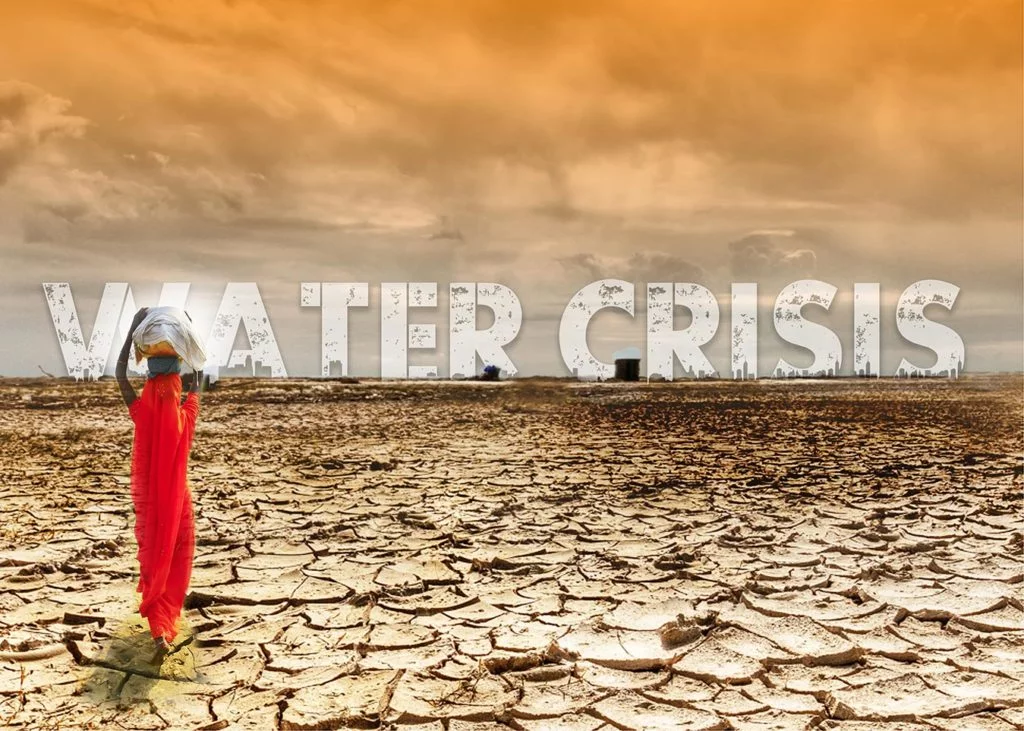
Environmental challenges exacerbate poverty. Droughts, floods, and soil degradation destroy crops and livelihoods, pushing families deeper into economic hardship. Climate change disproportionately affects low-income communities who have limited capacity to adapt.
In Bangladesh, frequent floods wash away homes and farmland, forcing families to take high-interest loans for survival. In Ethiopia, recurring droughts devastate pastoral communities. The cycle of poverty is reinforced when environmental shocks destroy the limited resources families have.
Sustainable solutions, such as climate-resilient agriculture, water management, and disaster preparedness programs, are crucial to breaking this cycle. Protecting vulnerable communities from environmental shocks prevents temporary poverty from becoming intergenerational.
Part XIV: Role of Community and Social Networks
Community support is a powerful factor in escaping poverty. Social networks provide informal safety nets, mentorship, and shared resources. In rural Africa, community savings groups allow members to pool funds and provide loans to entrepreneurs. In Latin America, cooperatives empower farmers and artisans to increase incomes collectively.
Social cohesion also fosters resilience in crises. Families supported by strong community structures are better able to withstand shocks such as illness, job loss, or natural disasters. The cycle of poverty is not only economic; it is also social, and communities play a pivotal role in fostering hope, opportunity, and mobility.
Part XV: Global Initiatives and International Cooperation
The fight against poverty is global. The United Nations’ Sustainable Development Goals (SDGs) set targets to eradicate extreme poverty by 2030. Programs like the World Bank’s poverty alleviation initiatives, UNICEF’s child welfare projects, and UNDP’s community development programs demonstrate international commitment.
However, achieving these goals requires collaboration among governments, NGOs, and the private sector. Policy coherence, accountability, and long-term investment are critical. Without international cooperation, systemic poverty will persist, particularly in conflict zones, disaster-prone regions, and marginalized communities.
Part XVI: Breaking the Cycle Through Policy Reform
Effective policy interventions can transform lives. Examples include:
- Conditional Cash Transfers (CCTs): Programs in Mexico and Brazil link financial support to school attendance and health check-ups, improving education and nutrition outcomes.
- Universal Basic Services: Access to free or affordable healthcare, education, and water can reduce vulnerability and increase mobility.
- Land and Property Rights: Ensuring women and marginalized groups have legal rights to land and assets empowers them economically.
- Progressive Taxation: Wealth redistribution can fund poverty reduction programs without penalizing low-income families.
- Inclusive Governance: Policies that engage communities in decision-making ensure interventions address actual needs rather than imposed solutions.
Such measures, when sustained, can systematically dismantle the cycle of poverty and prevent new generations from falling into the same traps.
Part XVII: Stories of Hope
Even in the hardest-hit areas, examples of hope abound. In Rwanda, post-genocide community rebuilding included education, healthcare, and microfinance programs that lifted thousands out of extreme poverty. In Bangladesh, rural women’s cooperatives empowered by small loans built sustainable businesses, allowing their children to attend school regularly.
These stories demonstrate that the cycle of poverty is not unbreakable. With targeted interventions, community engagement, and international support, families can rise above generational poverty and achieve sustainable improvement in living standards.
Conclusion: Breaking the Cycle
Poverty is not inevitable—it is a challenge that can be addressed with determination, innovation, and justice. Every child who attends school instead of working, every mother empowered to earn a fair wage, every community with access to clean water and healthcare, represents a step toward breaking the cycle.
The cycle of poverty is more than a statistic; it is a human reality that impacts generations. Solving it requires holistic solutions—education, health, economic opportunity, governance, and social justice. The fight against poverty is a fight for dignity, hope, and humanity itself.
If governments, communities, and individuals act with urgency and compassion, breaking the cycle of poverty is not only possible—it is essential for a just and equitable world.