
Introduction
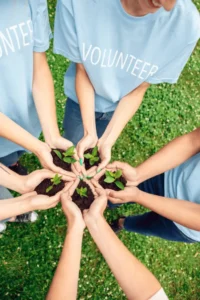
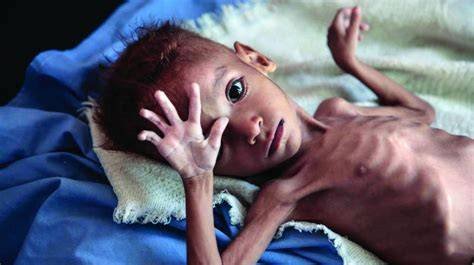
Volunteerism plays a critical role in addressing global crises, from natural disasters to pandemics and humanitarian emergencies. Volunteers are often the first responders, providing essential services, emotional support, and practical assistance in communities facing challenges. Moreover, volunteerism strengthens social cohesion, fosters empathy, and builds resilient societies. In today’s interconnected world, where crises can cross borders rapidly, the significance of volunteerism in mitigating human suffering cannot be overstated.
This blog explores volunteerism, its impact on global crises, the challenges faced by volunteers, and how governments, organizations, and individuals can harness the power of volunteer efforts to create sustainable change. Indeed, volunteerism is not only a noble endeavor but also a strategic tool in global crisis management.
What is Volunteerism?
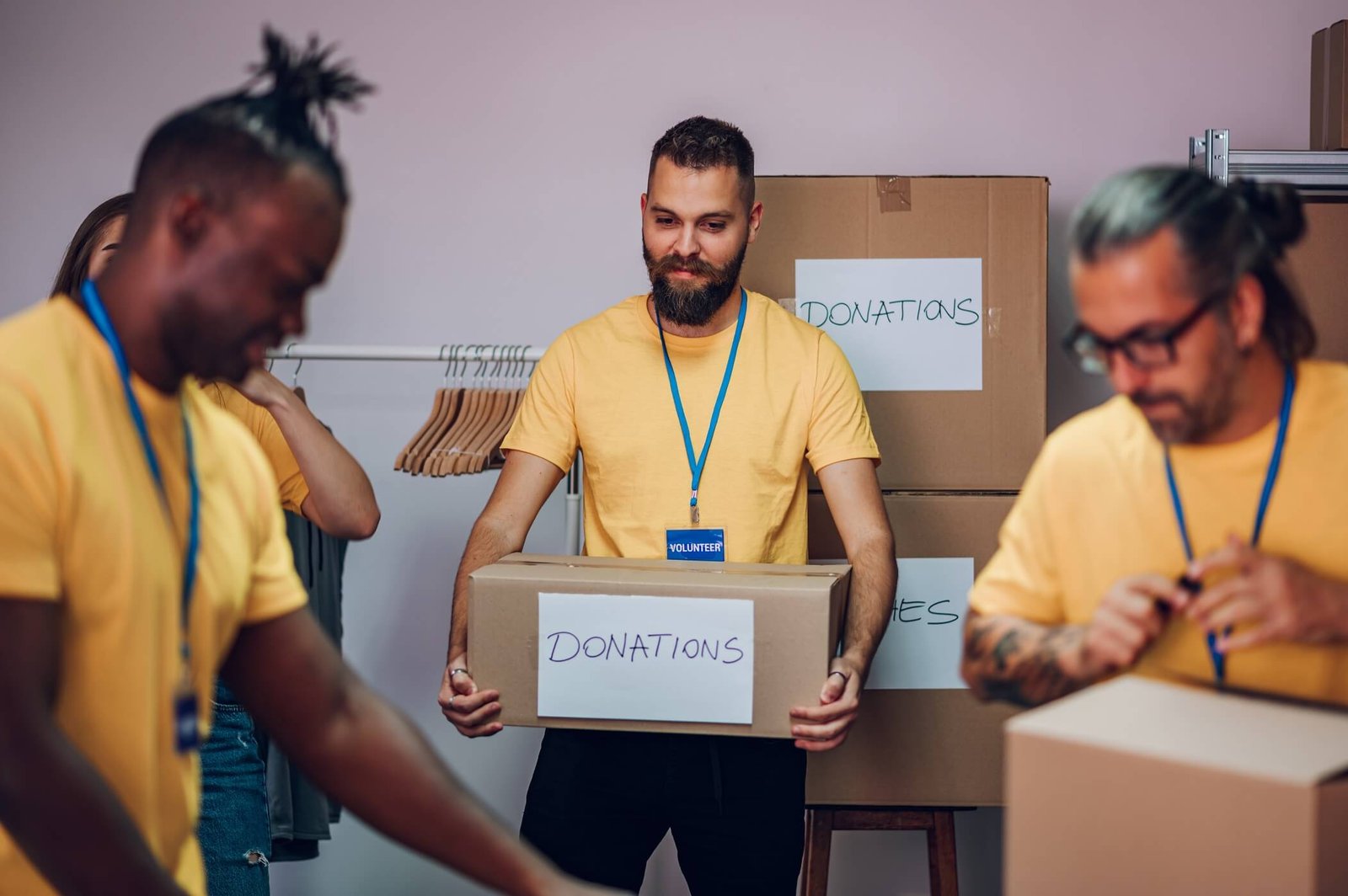
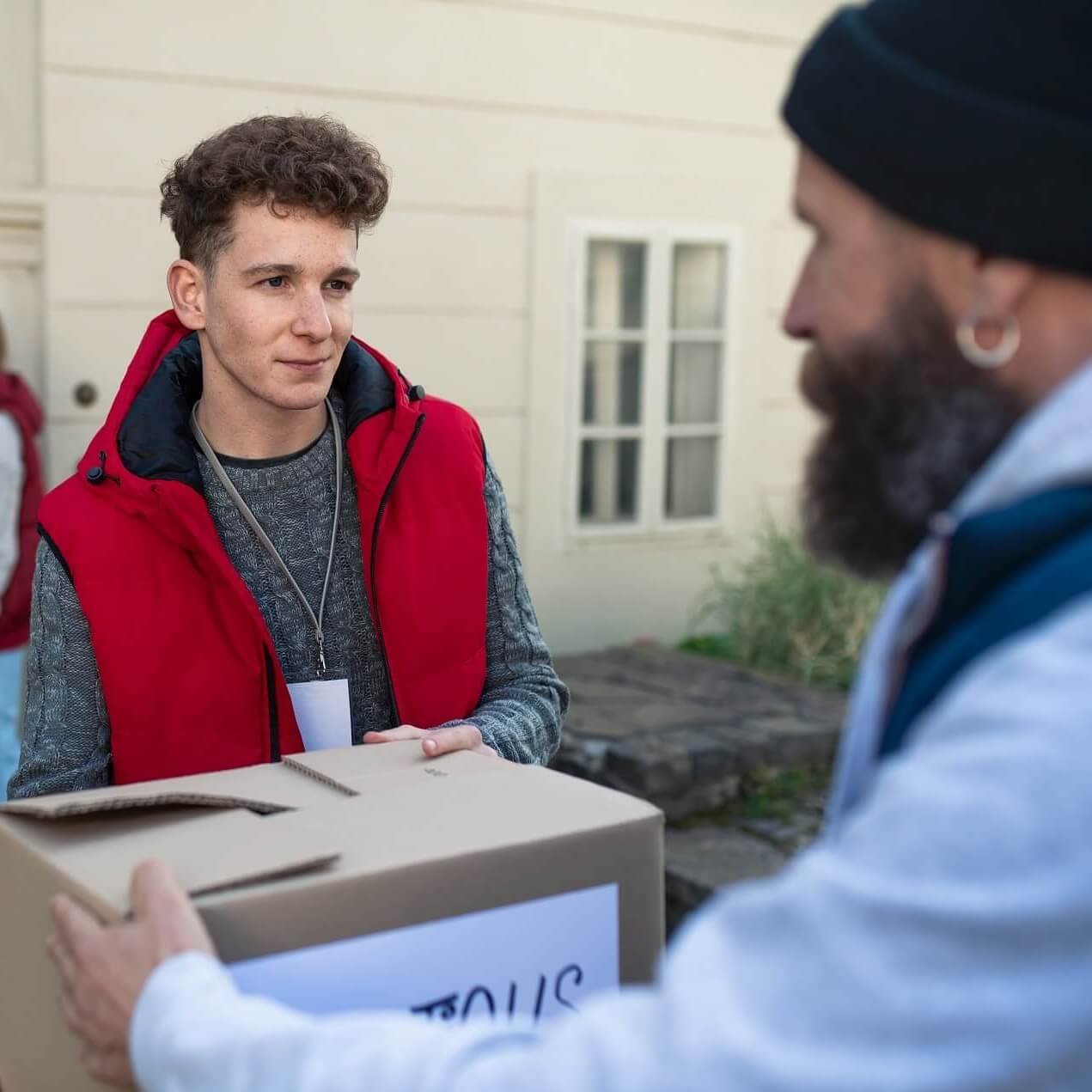
Volunteerism is the act of freely offering time, skills, and effort to support a cause without expecting financial gain. It can take many forms, including local community work, international humanitarian missions, disaster response, and online advocacy. Volunteers often fill gaps in formal systems, ensuring that aid reaches marginalized populations.
Furthermore, volunteerism is closely linked to civic responsibility and global citizenship. By participating in volunteer work, individuals gain awareness of social issues, contribute to solutions, and develop a sense of purpose. As a result, volunteerism strengthens both the individual and the community.
Volunteerism in Natural Disasters
Natural disasters such as earthquakes, hurricanes, floods, and wildfires devastate communities, leaving millions in urgent need of assistance. Volunteers play a crucial role in disaster response and recovery:
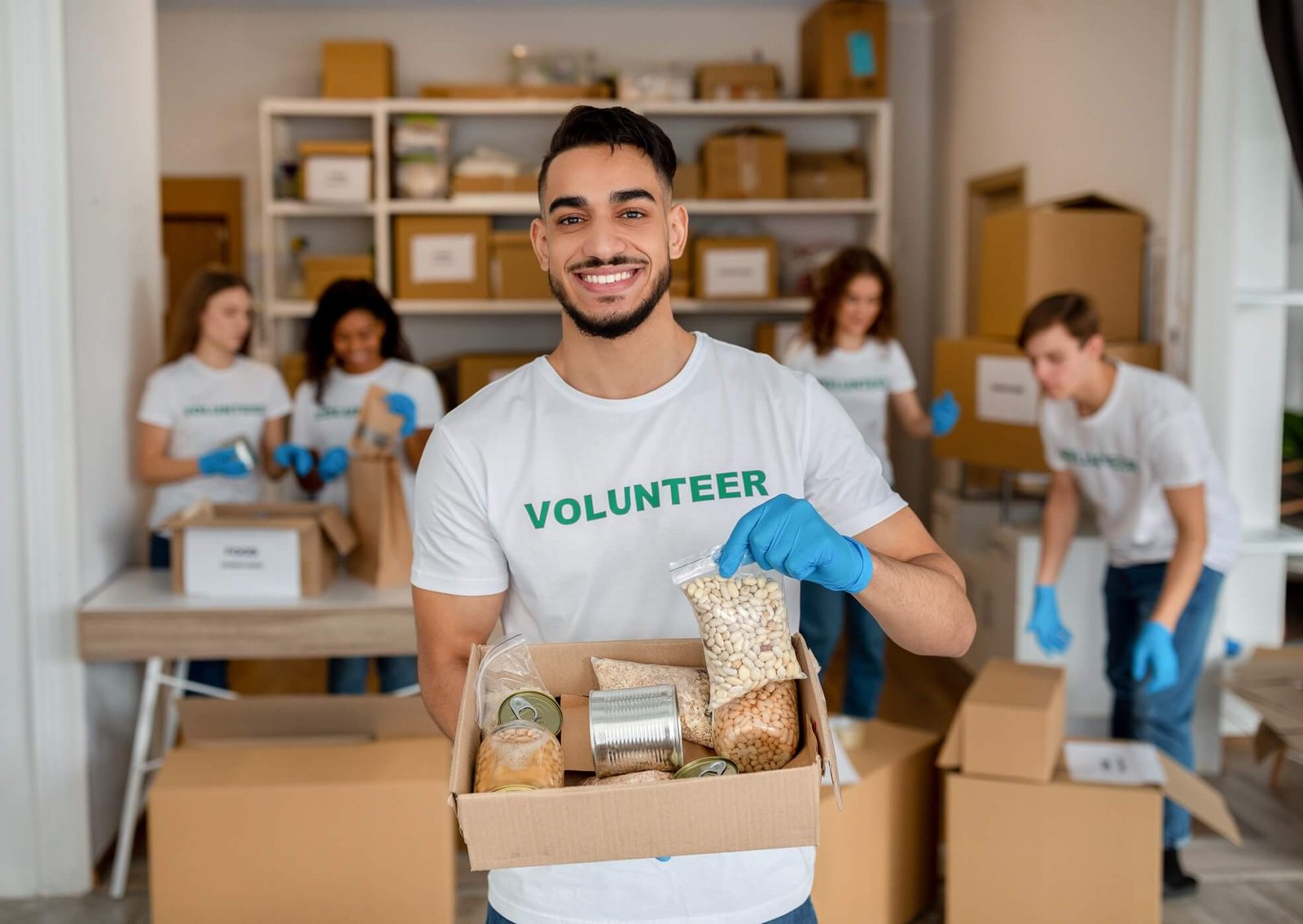
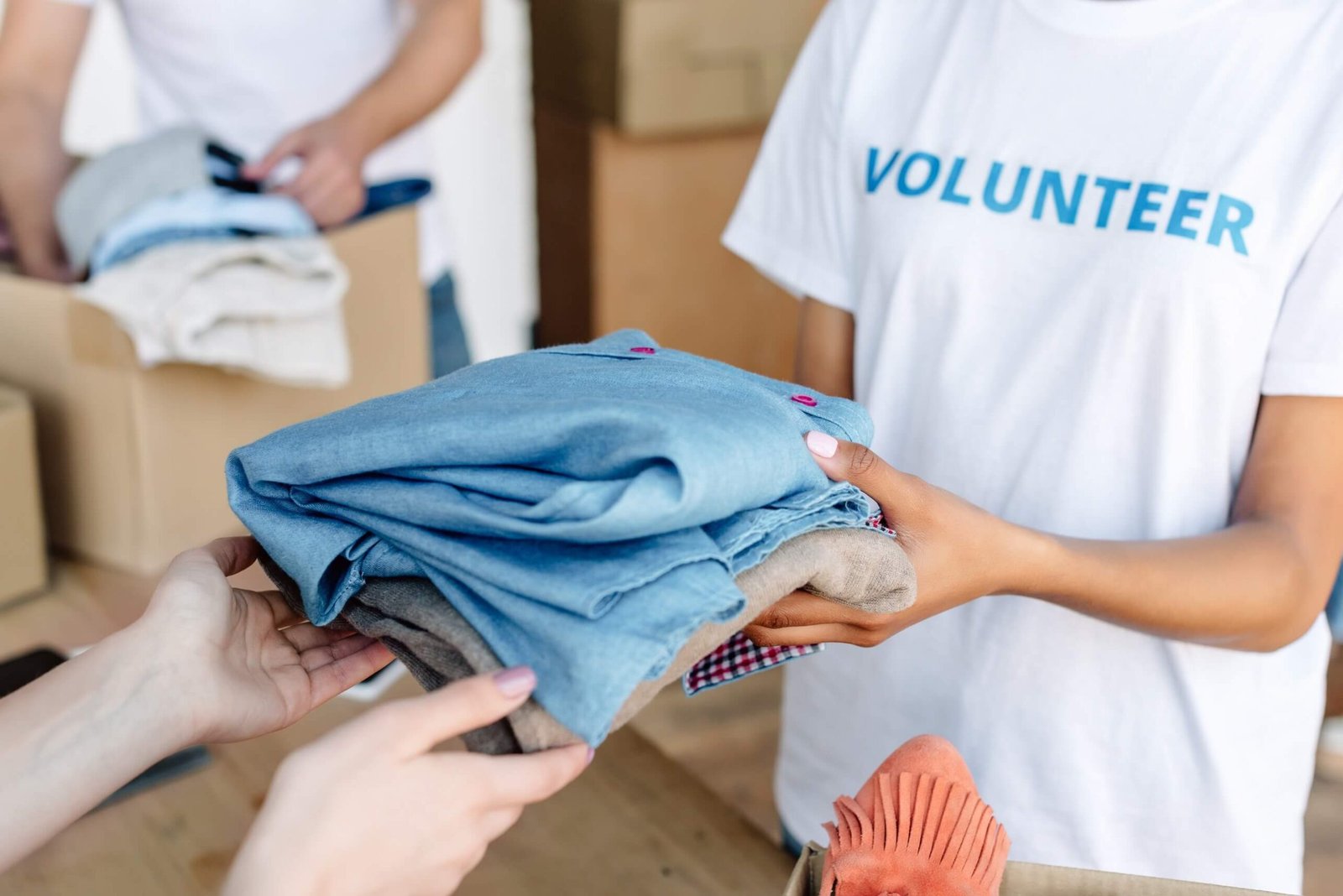
- Immediate Relief: Volunteers distribute food, water, medical supplies, and clothing to affected populations.
- Rescue and Safety: They assist in evacuations, first aid, and temporary shelter setup.
- Long-Term Recovery: Volunteers help rebuild homes, schools, and infrastructure, contributing to community resilience.
For example, during the 2010 Haiti earthquake, thousands of local and international volunteers provided essential aid, helping save lives and restore basic services. Similarly, volunteers played a pivotal role in relief efforts following the 2004 Indian Ocean tsunami.
Volunteerism in Health Crises
Health emergencies, including epidemics and pandemics, require rapid and coordinated responses. Volunteers support global health initiatives in multiple ways:
- Public Health Education: Volunteers raise awareness about hygiene, vaccination, and disease prevention.
- Medical Support: Skilled volunteers, including doctors and nurses, provide treatment in underserved areas.
- Logistics and Supply: Volunteers ensure distribution of medical supplies, protective equipment, and food for quarantined populations.
For instance, during the COVID-19 pandemic, volunteers assisted in vaccination drives, community outreach, and contact tracing programs worldwide. Their contributions significantly strengthened public health responses and saved countless lives.
Volunteerism in Refugee and Humanitarian Crises
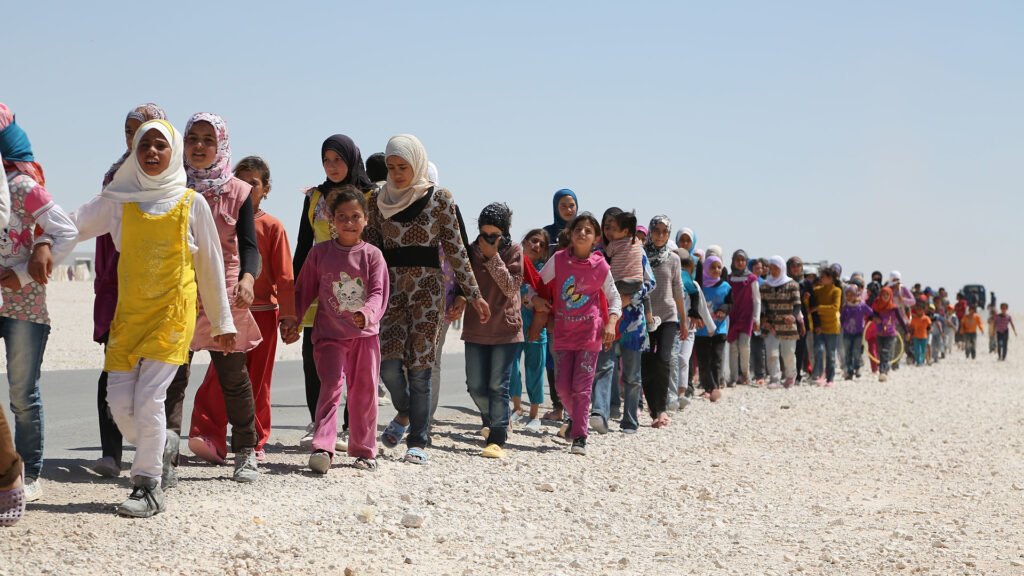
Global crises, such as conflicts and forced displacement, often leave communities vulnerable and in urgent need of aid. Volunteers contribute in several critical ways:
- Shelter and Accommodation: Volunteers help establish refugee camps, temporary shelters, and housing solutions.
- Education and Skill-Building: Many volunteers provide informal education, language training, and vocational skills for displaced populations.
- Mental Health and Support: Volunteers offer counseling, mentorship, and psychosocial support to traumatized individuals.
Organizations such as UN Volunteers and Red Cross rely heavily on volunteer efforts to meet the needs of refugees and displaced persons. Volunteers help bridge gaps in resources and ensure that humanitarian aid reaches those most in need.
The Societal Impact of Volunteerism
Volunteerism extends beyond immediate crisis response, creating long-term societal benefits:
- Community Empowerment: Volunteers strengthen local capacities, fostering self-reliance and resilience.
- Skill Development: Volunteering develops leadership, problem-solving, and communication skills.
- Social Cohesion: Collaborative volunteer efforts build trust, solidarity, and understanding among diverse groups.
- Economic Value: Volunteers contribute billions of hours of unpaid work globally, reducing the burden on public services and enhancing societal productivity.
Consequently, volunteerism is not only a humanitarian act but also a strategic investment in social development.
Challenges Faced by Volunteers
Despite their essential role, volunteers face numerous challenges:
- Safety Risks: Working in disaster zones, conflict areas, or epidemic regions exposes volunteers to hazards.
- Resource Constraints: Volunteers often operate with limited tools, funding, and support.
- Emotional Strain: Witnessing suffering and trauma can lead to burnout and compassion fatigue.
- Coordination Issues: Lack of structured coordination between volunteers and organizations can reduce efficiency.
Addressing these challenges requires proper training, protective measures, mental health support, and organized volunteer management systems.
How to Promote Volunteerism
Increasing volunteer participation requires strategic efforts at multiple levels:
- Education and Awareness: Schools and universities can integrate volunteer programs and service-learning opportunities.
- Government Initiatives: Policies that recognize and incentivize volunteerism can motivate greater participation.
- Corporate Social Responsibility: Companies can encourage employee volunteering and support nonprofit partnerships.
- Digital Platforms: Online volunteer programs and micro-volunteering provide accessible opportunities for global engagement.
Furthermore, promoting volunteerism in communities helps normalize the culture of helping others, reinforcing the importance of collective responsibility.
Volunteerism in Climate-Related Crises
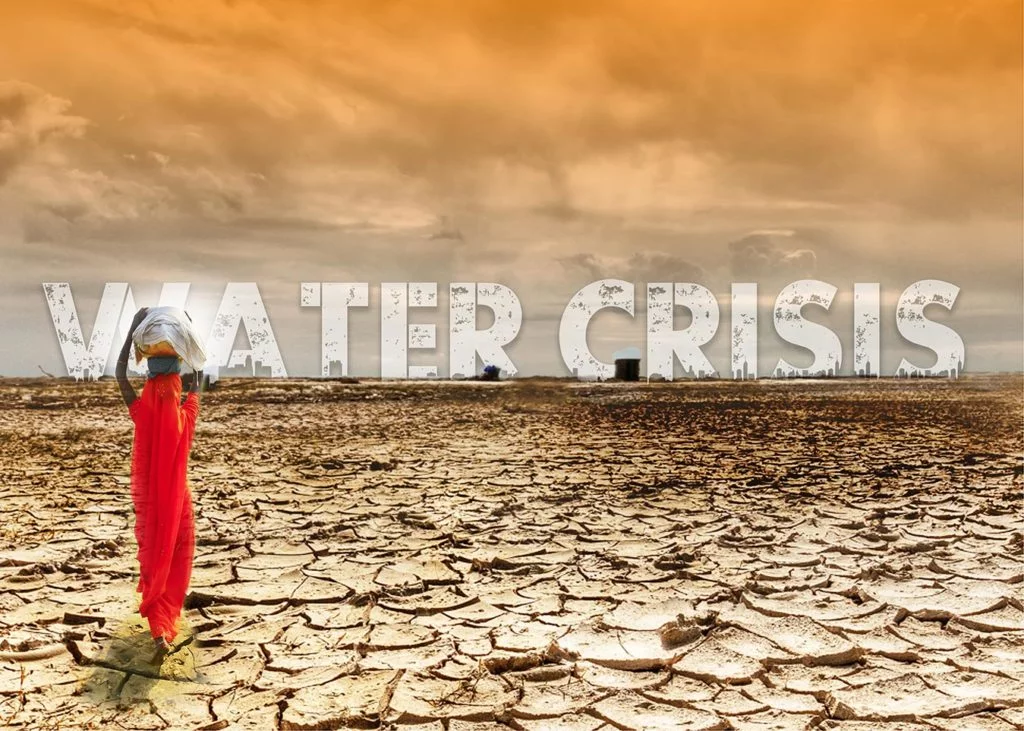
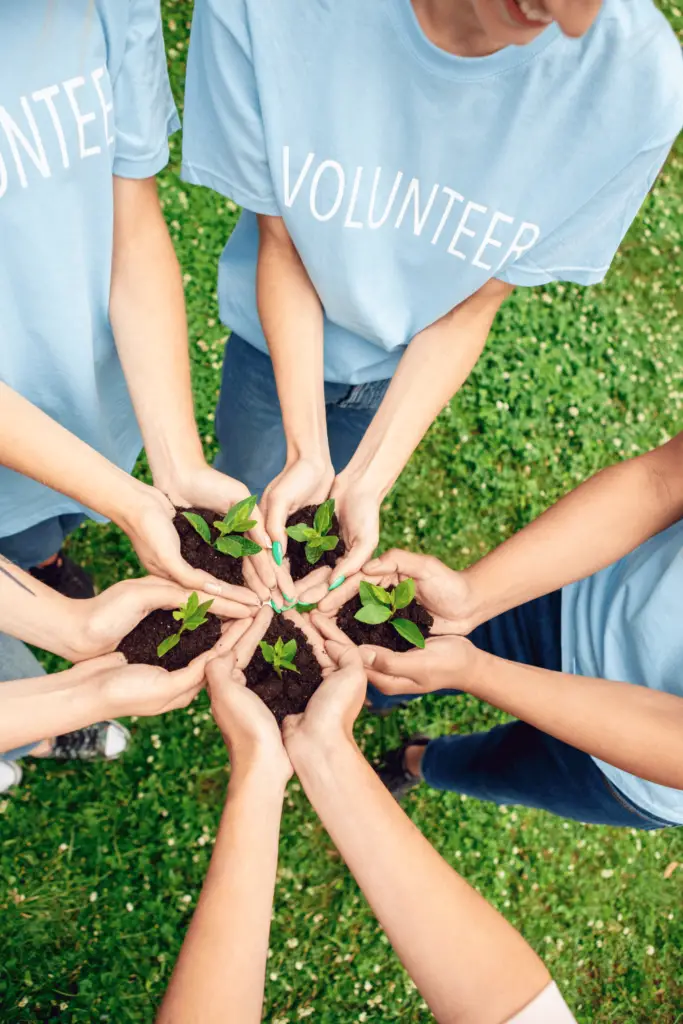
Climate change has intensified the frequency and severity of natural disasters, making volunteerism in global crises more essential than ever. Volunteers respond to hurricanes, wildfires, floods, and droughts by providing immediate relief, rebuilding infrastructure, and supporting displaced communities. Beyond emergency aid, volunteers also engage in climate adaptation programs, such as tree planting, sustainable agriculture, and environmental education. These efforts not only mitigate the impact of disasters but also foster long-term community resilience.
Furthermore, volunteer initiatives in climate crises often involve local communities directly. When residents participate in recovery and preparedness programs alongside volunteers, they gain essential skills and knowledge to better respond to future emergencies. Consequently, volunteerism in global crises contributes not only to immediate relief but also to sustainable development and environmental stewardship.
The Role of Technology in Volunteerism
In the digital age, volunteerism in global crises has expanded beyond physical presence. Online platforms allow volunteers to provide virtual support, such as fundraising, remote tutoring, health awareness campaigns, and data collection during epidemics. For example, volunteers contributed to contact tracing, patient monitoring, and educational outreach during the COVID-19 pandemic using digital tools.
Additionally, technology enhances coordination between organizations and volunteers. Platforms like UN Volunteers and Red Cross enable real-time communication, task assignments, and resource allocation, making volunteer efforts more efficient and impactful. By integrating technology, volunteerism in global crises becomes scalable, reaching communities that were previously inaccessible.
Psychological Benefits of Volunteerism
Volunteerism in global crises is not only beneficial for the communities served but also for the volunteers themselves. Engaging in meaningful humanitarian work fosters a sense of purpose, improves mental well-being, and strengthens empathy. Studies have shown that individuals who participate in volunteering experience lower stress levels and higher life satisfaction.
Moreover, volunteers develop critical skills, such as leadership, problem-solving, and cross-cultural communication, which enhance both personal and professional growth. By investing time and effort in global crises, volunteers gain a deeper understanding of human suffering and resilience, creating a ripple effect of awareness and compassion that extends far beyond their immediate actions.
Education and Volunteerism
Education programs linked to volunteerism in global crises are vital for equipping communities to respond effectively to emergencies. Volunteers often provide training in first aid, disaster preparedness, hygiene practices, and public health awareness. These educational initiatives empower individuals to take proactive measures during crises, reducing casualties and long-term damage.
For instance, volunteers have played a key role in teaching disease prevention techniques during Ebola and COVID-19 outbreaks, ensuring that communities are better prepared to manage health emergencies. By combining volunteerism with education, humanitarian efforts become more sustainable and create lasting positive impacts.
Collaboration Between NGOs and Volunteers
Effective volunteerism in global crises depends on collaboration between volunteers and non-governmental organizations (NGOs). NGOs provide the organizational structure, resources, and expertise necessary for volunteers to operate efficiently. At the same time, volunteers bring energy, innovation, and local knowledge to the table.
Successful partnerships between volunteers and NGOs have been demonstrated during crises such as the Syrian refugee emergency and the 2010 Haiti earthquake. Volunteers supplemented NGO efforts by providing logistics, community engagement, and on-the-ground support. This synergy ensures that aid reaches the people who need it most and enhances the overall impact of humanitarian operations.
Conclusion
Volunteerism is a powerful force in addressing global crises, from natural disasters and pandemics to humanitarian emergencies. Volunteers save lives, rebuild communities, and strengthen social fabric, demonstrating the extraordinary potential of ordinary individuals. In addition, volunteerism promotes skills development, social cohesion, and resilience, making it a vital tool for sustainable development.
Ultimately, global crises demand collective action, and volunteerism is a testament to humanity’s capacity for empathy, courage, and solidarity. By fostering volunteerism at every level—local, national, and international—societies can build a stronger, more compassionate, and more resilient world.