
Introduction
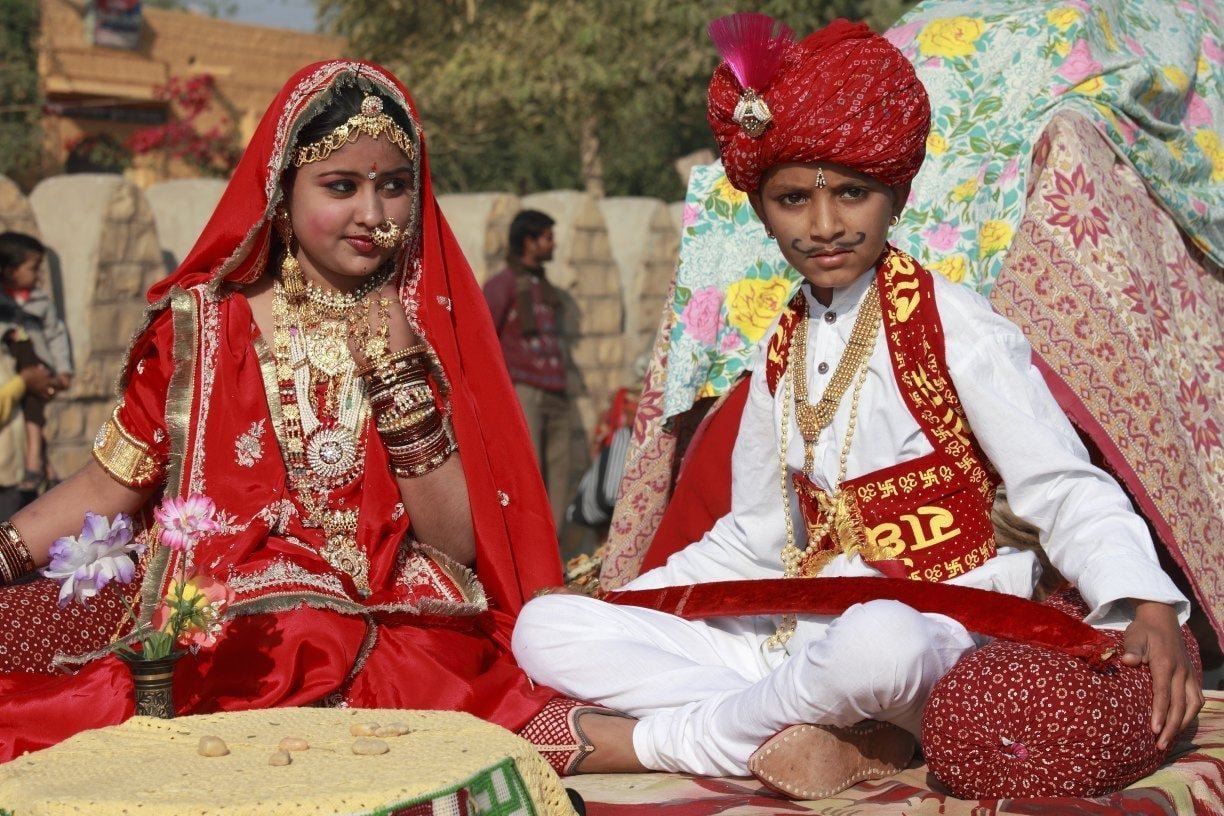
Child marriage remains a critical humanitarian issue worldwide, affecting millions of children, particularly girls, each year. Despite global laws and advocacy campaigns, many communities continue to practice child marriage due to poverty, cultural norms, and lack of education. The consequences of child marriage are far-reaching, impacting not only the young individuals involved but also their families, communities, and broader society.
Understanding the impact of child marriage on communities is essential for addressing its root causes and mitigating its effects. This blog explores how child marriage affects education, health, economic development, and social structures while highlighting global efforts to combat this harmful practice. Indeed, child marriage is not just an individual concern—it undermines the well-being and growth of entire communities.
Psychological and Emotional Effects
Child marriage significantly affects the mental health of young individuals. Many child brides experience depression, anxiety, and low self-esteem due to early responsibilities and lack of autonomy. Additionally, children forced into marriage often endure social isolation, limited freedom, and emotional stress, which can impact their long-term well-being. These psychological consequences ripple through families and communities, affecting social cohesion and trust. By addressing child marriage, communities can protect not only physical health but also the mental and emotional development of children.
Legal Frameworks and Enforcement
Legislation plays a critical role in preventing child marriage. Many countries have established minimum age laws for marriage, yet enforcement often remains weak due to cultural norms, lack of awareness, and limited resources. Strengthening legal frameworks, ensuring proper registration of marriages, and holding violators accountable are essential to reducing child marriage. Furthermore, communities must support these laws by encouraging families to comply and by fostering social attitudes that reject early and forced marriages. Effective legal enforcement directly protects children and promotes societal stability.
Economic Empowerment as a Solution
Poverty is a major driver of child marriage, as families may see early marriage as a strategy to reduce financial burdens. Addressing economic vulnerabilities can therefore help prevent child marriage. Community programs that provide scholarships, vocational training, microfinance, and income-generating opportunities empower families and reduce the financial incentive to marry off children early. By investing in economic development, communities can create alternatives to child marriage while simultaneously strengthening local economies and social resilience.
Role of Education in Ending Child Marriage
Education is one of the most powerful tools in combating child marriage. Children, particularly girls, who remain in school are less likely to marry early. Educated girls gain knowledge, confidence, and skills that increase their independence and future opportunities. Additionally, community awareness campaigns that highlight the importance of education help shift cultural norms that support child marriage. Schools also serve as safe spaces where children can learn about their rights and develop the tools needed to challenge harmful practices.
Community-Based Interventions
Communities themselves play a pivotal role in preventing child marriage. Local leaders, religious figures, and families can advocate against harmful traditions and promote awareness of the risks associated with early marriage. Grassroots initiatives, such as community dialogue, mentorship programs, and peer support networks, can encourage families to delay marriage and invest in their children’s education and well-being. Volunteer programs that support these initiatives amplify the impact of local efforts, creating a culture that prioritizes the rights and development of children.
Global Efforts and Partnerships
International organizations work closely with communities to reduce child marriage and its effects. Initiatives led by UNICEF, Girls Not Brides, and UN Women provide education, advocacy, and resources to combat child marriage. Partnerships between governments, NGOs, and local communities are crucial for implementing sustainable programs that address the root causes of child marriage and protect vulnerable children. Collaborative efforts ensure that interventions reach those most at risk while reinforcing legal, social, and economic measures to prevent early marriage.
What is Child Marriage?
Child marriage refers to any formal or informal union where one or both parties are under 18 years old. It is widely recognized as a violation of human rights, limiting the opportunities, health, and autonomy of young individuals. While some societies consider early marriage a tradition, the global consensus emphasizes protecting children from coercion, exploitation, and harm.
The practice is driven by multiple factors, including poverty, gender inequality, and social pressure. In many communities, families marry off their daughters early to reduce financial burdens or maintain social status. Consequently, child marriage perpetuates cycles of disadvantage, limiting access to education, healthcare, and economic empowerment.
The Effect on Education
One of the most immediate impacts of child marriage is the disruption of education. Girls who marry early often leave school, reducing their literacy, numeracy, and overall skill development. This lack of education severely limits future employment opportunities, trapping families in poverty across generations.
Furthermore, child marriage reinforces gender disparities in education. While boys may continue schooling, girls are often confined to domestic responsibilities, restricting their ability to contribute economically or socially. As a result, communities lose out on the potential of educated women who could play key roles in social development, healthcare, and governance.
Health Consequences
Child marriage poses significant health risks, particularly for young girls. Early pregnancies are associated with higher maternal and infant mortality rates, complications during childbirth, and malnutrition. Additionally, child brides often face increased vulnerability to sexually transmitted infections, including HIV.
The physical and psychological toll extends beyond individuals to communities. Poor maternal health can strain local healthcare systems, while the trauma experienced by young brides affects families and social networks. Thus, the practice of child marriage has far-reaching health implications that undermine community well-being.
Economic Impact
Child marriage has a direct impact on economic development within communities. Early marriage reduces workforce participation, limits earning potential, and perpetuates poverty. Families and communities miss out on the contributions of educated and empowered young individuals who could boost local economies.
Moreover, child marriage increases dependency on social services due to early pregnancies, health complications, and limited income. When communities invest in education and delay marriage, they can break cycles of poverty and strengthen local economic resilience. UNICEF
Social and Cultural Implications
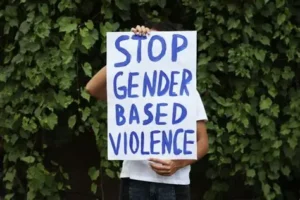
Child marriage also affects social structures and cultural dynamics. It reinforces gender inequality, limits women’s participation in decision-making, and perpetuates discriminatory practices. In communities where child marriage is prevalent, social norms prioritize controlling girls’ behavior over fostering empowerment and equality.
Furthermore, child marriage can perpetuate cycles of violence, including domestic abuse and intimate partner violence. When children are married to adults or peers without maturity and consent, the risk of abuse increases, destabilizing families and weakening social cohesion.
Global Efforts to Combat Child Marriage
International organizations, governments, and NGOs are actively working to prevent child marriage and mitigate its impact on communities. Programs focus on education, legal enforcement, community engagement, and economic empowerment.
For instance, initiatives by UNICEF and Girls Not Brides aim to raise awareness, strengthen laws against child marriage, and support girls’ education. Community-based programs provide scholarships, mentorship, and vocational training to delay marriage and empower young individuals.
Additionally, campaigns targeting social norms and cultural beliefs are critical. By engaging religious leaders, parents, and community influencers, these programs challenge harmful practices and promote gender equality.
How Communities Can Take Action
Communities play a vital role in ending child marriage. Local leaders, families, and youth can:
- Advocate for education and enforce school attendance for girls.
- Challenge cultural norms that encourage early marriage.
- Support economic programs for families, reducing financial incentives for early marriage.
- Create awareness campaigns highlighting the health, social, and economic risks of child marriage.
Collective community action not only protects children but also strengthens social cohesion and promotes long-term development.
The Link Between Child Marriage and Gender Inequality
Child marriage is both a consequence and a cause of gender inequality. In communities where girls are seen as less valuable than boys, early marriage is often normalized. This practice reinforces traditional gender roles, limiting girls’ access to education, economic opportunities, and decision-making power. By contrast, delaying marriage helps promote gender equality, allowing girls to pursue education, participate in community leadership, and contribute meaningfully to their societies. Reducing child marriage is therefore crucial for advancing women’s rights and achieving more equitable communities. You can refer to Food Insecurity and Malnutrition: Addressing Global Hunger.
Health Education and Awareness
Raising awareness about the health risks of child marriage is vital in preventing the practice. Communities must understand the dangers of early pregnancy, malnutrition, and complications during childbirth that child brides often face. Health education programs, supported by volunteers and NGOs, inform families about the consequences of child marriage and the benefits of delaying marriage. By combining awareness campaigns with practical support, such as access to healthcare and nutrition programs, communities can significantly reduce the incidence of early marriage and improve overall well-being.
Long-Term Social Impact
Child marriage affects communities for generations. Children forced into marriage often leave school early, limiting their ability to secure stable employment. This perpetuates cycles of poverty, dependence, and vulnerability for their own children. Communities with high rates of child marriage may also experience increased social instability, including domestic violence and lack of civic participation. Addressing child marriage, therefore, strengthens not only individual lives but also the broader social fabric, enabling communities to grow healthier, safer, and more prosperous over time.
Case Study: Success Stories in Combating Child Marriage
Several communities worldwide have successfully reduced child marriage through targeted interventions. For example, in parts of Bangladesh, programs offering conditional cash transfers and educational incentives have encouraged families to delay their daughters’ marriages. Similarly, in Kenya, community dialogues led by local leaders have shifted cultural norms, resulting in a measurable decrease in child marriage rates. These examples demonstrate that a combination of education, economic support, and community engagement can effectively combat child marriage and transform societal attitudes.
The Role of Media and Technology
Media campaigns and digital platforms are increasingly vital in raising awareness about child marriage. Social media, radio programs, and television broadcasts can reach wide audiences, challenging harmful traditions and promoting the benefits of delaying marriage. Additionally, technology allows for online education and virtual mentorship, giving at-risk girls access to learning and support even in remote areas. By leveraging media and technology, communities can expand the reach of child marriage prevention programs and empower more young people to make informed decisions.
Policy Recommendations
To effectively combat child marriage, policymakers must implement comprehensive strategies:
- Enforce minimum-age marriage laws and close loopholes.
- Promote access to quality education for all children, especially girls.
- Provide economic incentives and support programs for families.
- Engage community leaders in awareness campaigns to shift social norms.
- Support healthcare programs that educate about reproductive health and maternal care.
These policy measures, when combined with community-level interventions, can significantly reduce the prevalence of child marriage and its negative impact on communities.
Conclusion
Child marriage profoundly affects communities, limiting education, harming health, reducing economic opportunities, and perpetuating social inequality. Addressing this issue requires coordinated efforts by governments, NGOs, and local communities to promote education, enforce laws, and challenge harmful cultural practices.
Ultimately, ending child marriage is not just about protecting individual children—it is about fostering healthier, more educated, and empowered communities. By working together, societies can break the cycle of disadvantage and ensure that every child has the opportunity to grow, thrive, and contribute meaningfully to their community.