
Why the Global Refugee Crisis Matters
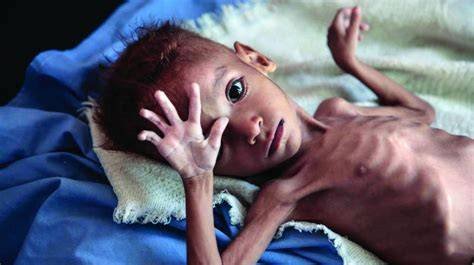
The global refugee crisis stands as one of the defining humanitarian challenges of our time. Every day, families are uprooted by war, persecution, violence, and natural disasters. They leave behind homes, communities, and familiar lives in search of safety. The crisis is not confined to one country or region. Instead, it stretches across continents, crossing borders and oceans, reshaping demographics and testing the strength of international systems. According to the United Nations High Commissioner for Refugees (UNHCR), more than 43 million people are currently displaced worldwide, with a significant portion classified as refugees. These numbers only tell part of the story. Behind every statistic is a human being—an individual who has faced unimaginable hardship, survived against overwhelming odds, and now seeks dignity and security.
The global refugee crisis is not merely a humanitarian problem; it is also a social, political, and economic reality that touches every nation in some way. Governments debate policy, communities face integration challenges, and aid organizations struggle to provide resources. However, the heart of the matter is deeply human: the loss, resilience, and hope carried by millions of people forced to flee. Addressing the crisis requires more than numbers and reports. It demands compassion, awareness, and collective action.
This blog post will explore the global refugee crisis in depth. We will examine its historical roots, the driving forces behind displacement, and the lived experiences of refugees. We will also consider regional perspectives, highlight the challenges host nations face, and analyze the international response. Along the way, we will study case examples and propose solutions for a more humane and sustainable future. By the end, it will be clear that the global refugee crisis is not just about statistics—it is about human stories that require immediate, coordinated, and compassionate action.
Historical Background: How the Global Refugee Crisis Evolved
The global refugee crisis has deep roots in history. From ancient times to the modern era, wars and persecution have driven people from their homes. After World War II, millions of Europeans were displaced, leading to the creation of the UNHCR in 1950. Its original mandate was to resettle European refugees within three years. Yet, more than seventy years later, the global refugee crisis continues, with displacement reaching record highs.
The Cold War fueled migration in multiple regions. Conflicts in Vietnam, Afghanistan, and Central America forced millions into exile. Later, genocides in Rwanda and the Balkans created further refugee movements. Over time, the global refugee crisis became increasingly complex, with causes ranging from armed conflict and ethnic persecution to environmental disasters and economic instability.
Today, the global refugee crisis reflects both old and new challenges. Traditional conflicts continue to drive displacement, but climate change and economic collapse add new layers of urgency. Refugees are no longer fleeing only from war zones but also from rising sea levels, prolonged droughts, and food insecurity. The evolution of the crisis highlights how global events are interconnected and why solutions require cooperation across borders.
Causes Behind the Global Refugee Crisis
Armed Conflict
Armed conflict remains the leading driver of the global refugee crisis. Civil wars in Syria, Sudan, and Yemen have created millions of refugees. Violence destroys homes, infrastructure, and livelihoods. Entire neighborhoods vanish overnight. Families face a choice: stay and risk death or flee and face an uncertain future.
Political Persecution
Authoritarian regimes often use fear and repression against minority groups. The Rohingya in Myanmar and opposition groups in Venezuela illustrate how persecution forces people into exile. Political instability creates waves of refugees who cannot return until governments change.
Ethnic and Religious Discrimination
Ethnic minorities often bear the brunt of violence and exclusion. Discrimination leads to restricted rights, limited access to education, and targeted violence. Refugees from Darfur, South Sudan, and northern Nigeria are examples of how identity-based persecution drives the global refugee crisis.
Climate Change
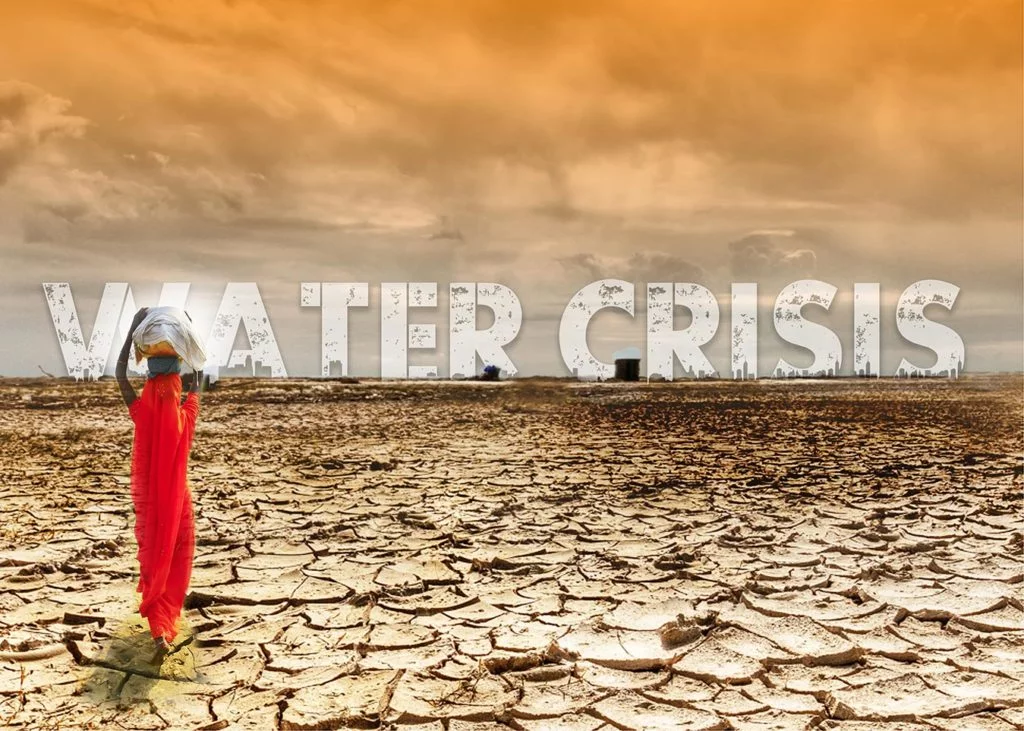
Environmental factors now play a major role in displacement. Rising sea levels threaten Pacific island nations, while droughts devastate parts of Africa. When livelihoods collapse due to natural disasters, migration becomes a matter of survival. This dimension of the global refugee crisis is likely to expand in the coming decades.
Economic Collapse
While poverty alone does not always create refugees, economic collapse often coincides with political instability and violence. For example, Venezuela’s crisis has forced millions across borders in search of food, medicine, and stability.
The Human Stories: Life Behind the Numbers
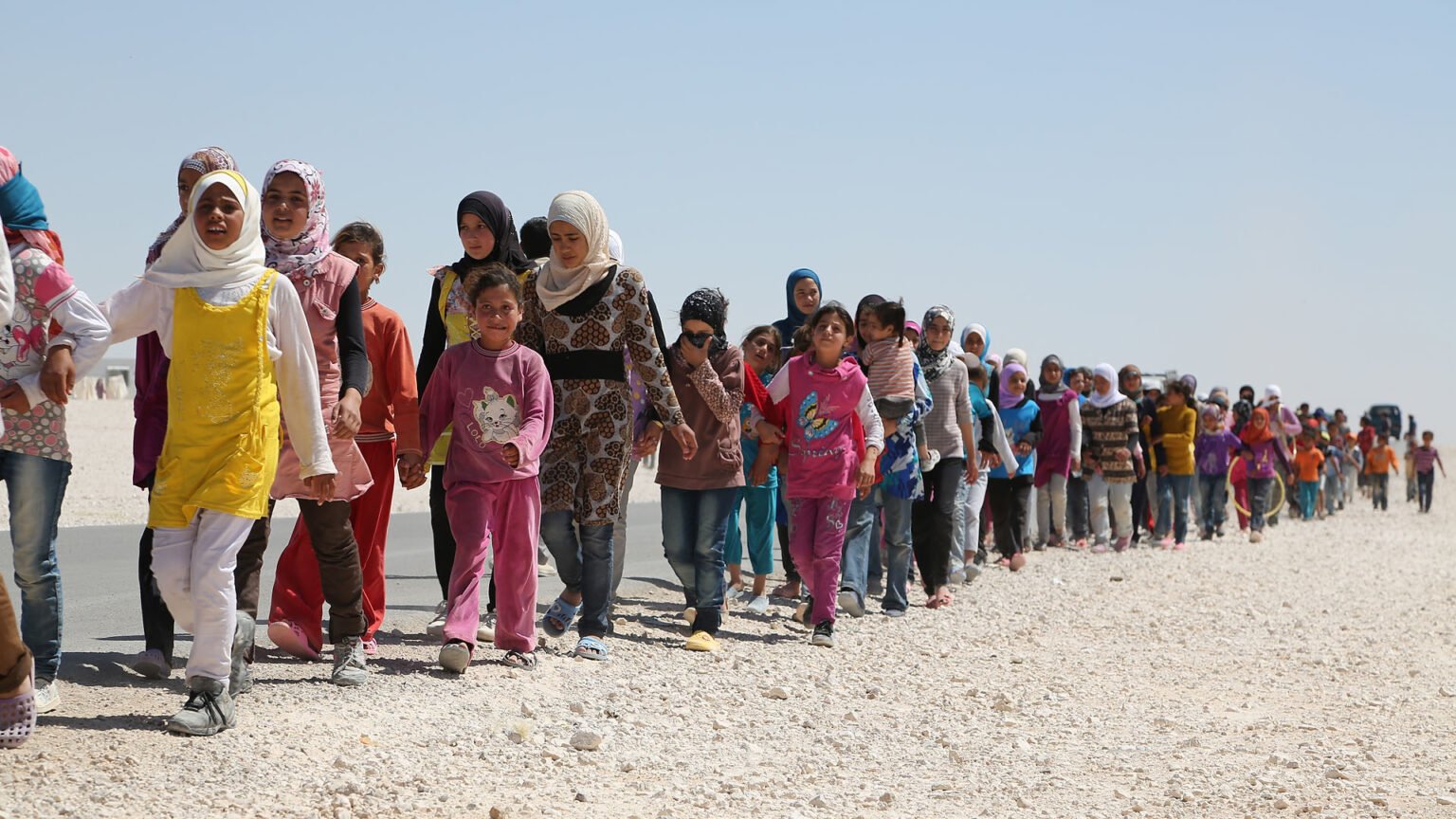
The global refugee crisis can easily appear overwhelming when viewed only as statistics. Yet every number represents a human story filled with pain, resilience, and hope. Consider the story of Amina, a 12-year-old Syrian girl. When war reached her town, her family fled across the border to Lebanon. She now attends a makeshift school, dreams of becoming a teacher, and struggles with memories of lost friends. Her story reflects both suffering and determination.
In East Africa, David, a teenager from South Sudan, walked for days to reach a refugee camp in Uganda. He lost family members to violence yet clings to the hope of building a new life. His daily reality includes crowded shelters, limited food, and uncertain prospects.
These stories remind us that the global refugee crisis is not about faceless masses. It is about individuals whose lives have been uprooted but who continue to strive for safety, education, and dignity. Listening to their voices helps transform abstract numbers into powerful calls for action.
Regional Perspectives on the Global Refugee Crisis
Asia
Asia hosts millions of refugees, with conflicts in Afghanistan, Myanmar, and Syria contributing significantly. Countries like Pakistan, Bangladesh, and Jordan carry heavy burdens, hosting refugees despite limited resources.
Africa
Africa has the highest proportion of refugees relative to population. From the Horn of Africa to the Great Lakes region, conflict and climate change fuel displacement. Countries like Uganda and Ethiopia show remarkable generosity but also face immense strain.
Middle East
The Syrian conflict created one of the largest refugee crises in recent history. Millions fled to Turkey, Lebanon, and Jordan. The global refugee crisis in this region underscores the intersection of war, politics, and humanitarian need.
Europe
Europe became a central stage in 2015 when millions of refugees arrived from Syria and beyond. The continent faced political division, debates on integration, and humanitarian challenges. Europe remains a crucial player in the global refugee crisis, balancing security concerns with humanitarian obligations.
The Americas
The Americas face a growing refugee challenge due to Venezuela’s collapse and instability in Central America. The United States, Mexico, and neighboring countries grapple with asylum systems strained by large-scale migration.
Challenges for Host Nations
Host nations play a critical role in the global refugee crisis. They provide immediate safety but often face enormous pressure.
- Economic Strain: Refugee influxes strain public services, healthcare, and education systems.
- Social Tensions: Cultural differences sometimes create tension with local communities.
- Security Concerns: Governments often struggle to balance compassion with security.
- Infrastructure Pressure: Refugee camps and settlements often become overcrowded, leading to inadequate living conditions.
Despite these challenges, many host nations show extraordinary generosity. Uganda, for instance, grants refugees land and the right to work, setting an example for the world.
International Response to the Global Refugee Crisis
The international community has developed frameworks like the 1951 Refugee Convention and the Global Compact on Refugees. Yet, implementation remains inconsistent. Wealthier nations sometimes close borders while poorer countries shoulder greater burdens.
Humanitarian organizations like UNHCR, UNICEF, and NGOs provide critical assistance. However, funding gaps often hinder operations. The global refugee crisis highlights the need for stronger international cooperation and more equitable burden-sharing.
Case Studies
- Syria: More than 6 million refugees fled Syria since 2011, creating the largest displacement crisis of modern times.
- Venezuela: Over 7 million people have left Venezuela, escaping economic collapse and repression.
- Rohingya: Nearly 1 million Rohingya live in crowded camps in Bangladesh after fleeing persecution in Myanmar.
These case studies show the global refugee crisis is diverse in causes yet similar in its human impact.
Solutions: Pathways Forward
- Stronger Legal Protections: Nations must uphold international law and protect asylum seekers.
- Education and Livelihoods: Refugees need opportunities to study and work to rebuild their lives.
- International Solidarity: Wealthier countries must share responsibility more fairly.
- Addressing Root Causes: Conflict resolution, climate adaptation, and poverty reduction are essential to reducing displacement.
Conclusion: A Call for Global Solidarity
The global refugee crisis is not simply about borders, numbers, or policies. It is about people—families torn apart, children robbed of their childhoods, and communities struggling for survival. Yet, it is also about resilience, courage, and the unyielding human spirit. Addressing the crisis requires more than charity. It demands global solidarity, shared responsibility, and a commitment to human dignity.
As long as wars rage, persecution persists, and the planet faces environmental challenges, the global refugee crisis will remain. But with compassion, cooperation, and action, humanity can move closer to a world where no one is forced to flee their home.