
Introduction: The Thirst That Never Ends
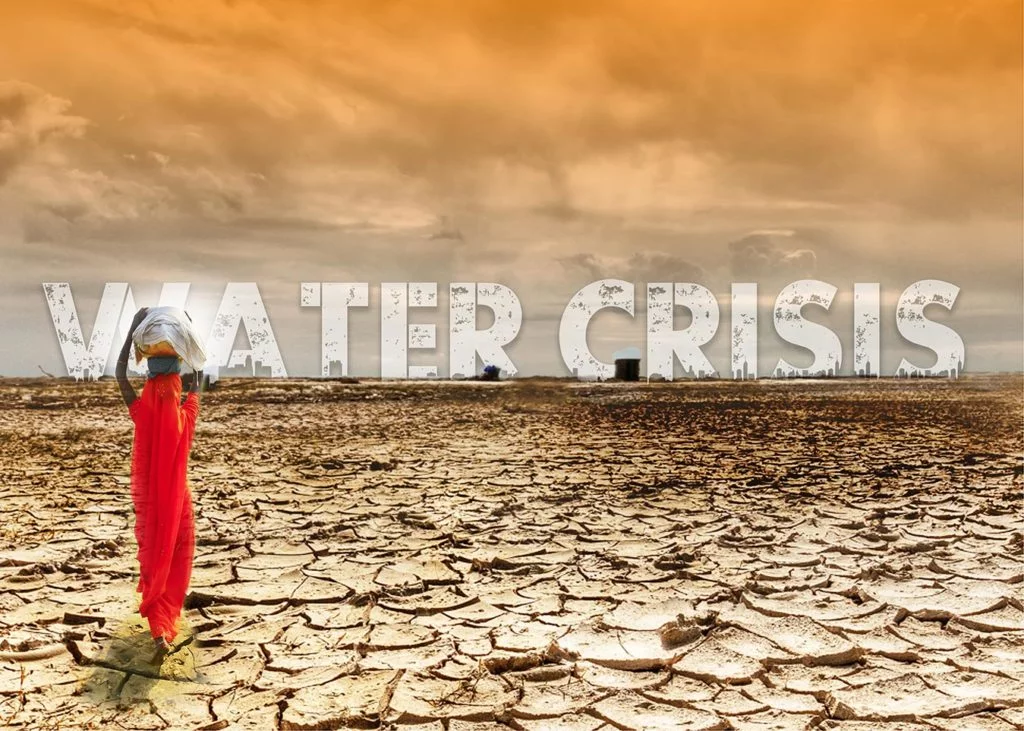
Clean water is the most basic of human needs, yet for billions it remains out of reach. The World Health Organization estimates that 2.2 billion people still lack safely managed drinking water services. For them, clean water is not a tap away but a daily struggle—walking for hours, paying unaffordable prices, or drinking from unsafe sources.
The global water crisis and human rights issue is not simply about scarcity. It is about justice, inequality, and political will. Clean water is recognized by the United Nations as a human right, but the failure to guarantee it continues to expose the fault lines of global inequality.
For children missing school to fetch water, for mothers forced to give their babies unsafe supplies, for communities poisoned by arsenic or industrial waste—the global water crisis is a humanitarian emergency. Solving it requires more than engineering; it requires fairness, investment, and accountability.
Part I: The Scale of the Clean Water Crisis
Access to clean water defines life expectancy, child survival, and human dignity. Every year, nearly 500,000 people—mostly children under five—die from diarrheal diseases linked to unsafe water and sanitation.
The disparities are stark. In high-income countries, clean water flows abundantly, piped into homes at the turn of a tap. Yet in sub-Saharan Africa, nearly 400 million people live without access to clean water. In rural South Asia, millions rely on boreholes or rivers contaminated by arsenic and industrial effluents.
The global water crisis and human rights problem is also urban. Rapidly growing megacities from Lagos to Karachi cannot provide safe water for their populations, leaving millions dependent on private vendors who often charge 10 to 20 times more than municipal systems. For the poor, water is not cheap; it is cripplingly expensive.
Access to clean water is therefore not simply a matter of geography—it is the dividing line between health and illness, opportunity and poverty, life and death.
Part II: Stories Behind the Numbers
Sub-Saharan Africa: The Burden on Women and Girls
In Ethiopia, 12-year-old Aster spends three hours daily fetching water from a muddy pond. Her attendance at school is irregular, and her dreams are continually deferred. Across Africa, millions of women and girls shoulder the burden of water collection. The global water crisis robs them of education, safety, and economic opportunity.
Carrying heavy containers exposes them to injuries and harassment. Every hour spent walking for water is an hour lost from school or income-generating work. Thus, the global water crisis and human rights challenge is also a gendered one, reinforcing cycles of inequality.
India: The Arsenic Shadow
In West Bengal and Bangladesh, millions drink water contaminated with arsenic. This silent poison causes cancers, skin lesions, and organ damage. Villagers know the water is unsafe, but safer alternatives are scarce. Here, the crisis is not about scarcity but quality: clean water is available, but polluted beyond safe use.
The arsenic problem illustrates how the global water crisis and human rights struggle intersects with governance. Despite decades of knowledge, mitigation remains patchy, leaving the poor to drink poison.
Latin America: Urban Inequality
In Latin America’s expanding cities, water is a marker of inequality. Wealthier districts enjoy reliable municipal supply. Meanwhile, informal settlements on the outskirts often depend on private tankers. Families pay more per liter than wealthy neighbors, despite having less income.
This reality makes clear that the global water crisis and human rights debate is not only rural or remote—it exists in the heart of cities, where inequality determines who drinks and who thirsts.
Middle East: Water and Conflict
The Middle East faces a stark scarcity. In Syria, war has devastated infrastructure, leaving millions reliant on unsafe sources. In Gaza, the aquifer is so contaminated with salt and sewage that 97% of water is undrinkable. Water scarcity fuels tensions, shaping politics, migration, and even conflict.
In this region, the global water crisis and human rights struggle merges with geopolitics, where control of rivers and aquifers can spark disputes and prolong humanitarian emergencies. You can refer to Child Labor Today: Understanding Modern Exploitation.
Part III: Children and the Global Water Crisis
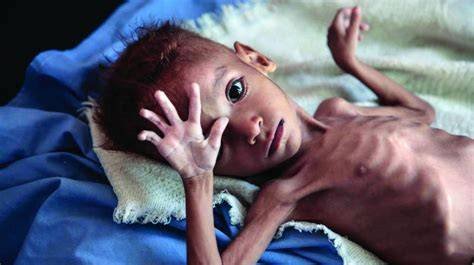
Children suffer disproportionately. Lack of clean water increases malnutrition, exposes them to waterborne diseases, and disrupts education. UNICEF estimates that 700 children under five die daily from unsafe water, sanitation, and hygiene.
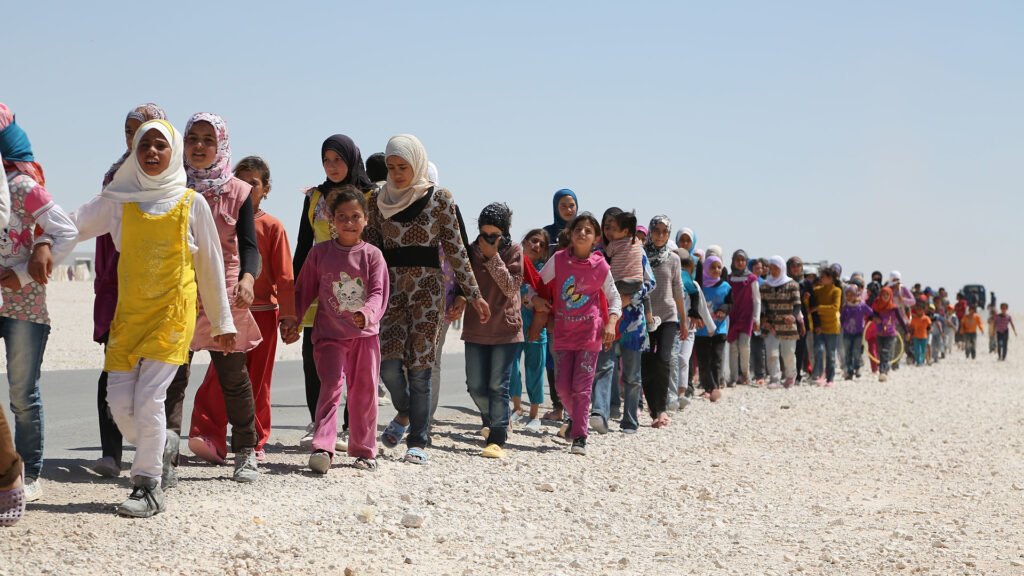
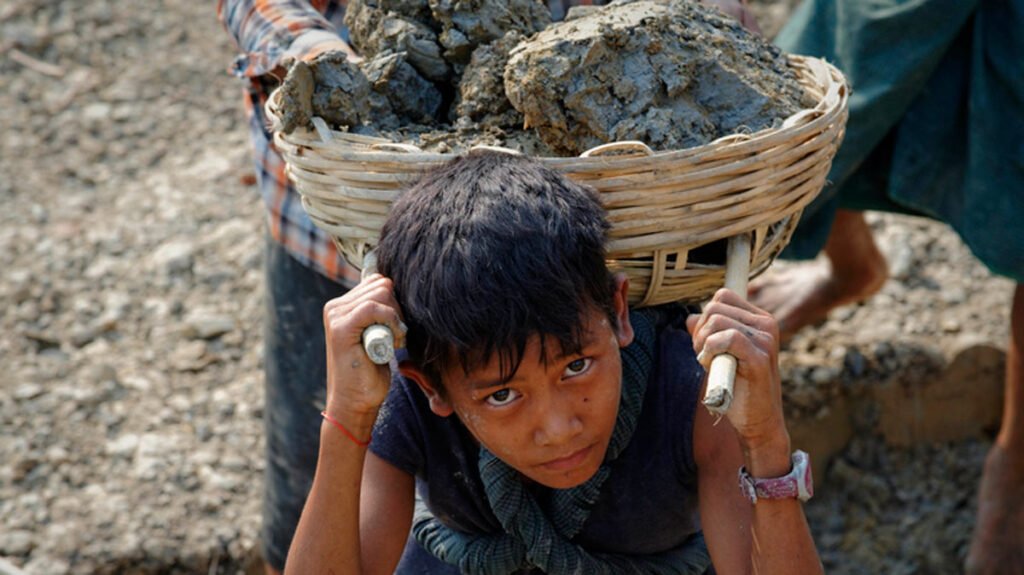
In drought-prone regions, schools close when water is scarce. In others, girls are pulled out of classrooms to fetch water. Childhood is not only shortened but stolen by the global water crisis.
Psychological impacts are also profound. Children growing up in environments where thirst, illness, and death are constant develop trauma and hopelessness. The global water crisis and human rights debate is therefore also a fight for children’s futures.
Part IV: Women and the Global Water Crisis
The water crisis is deeply gendered. Across Africa and South Asia, women walk long distances daily, spending billions of collective hours carrying water. The physical burden is immense, the social costs greater.
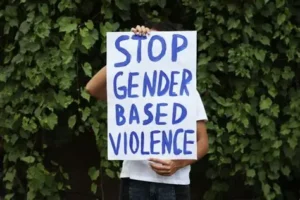
In camps for displaced people, lack of safe water exposes women to gender-based violence. In drought-hit villages, it limits their economic participation. Yet, women are also leaders. In Kenya, women’s cooperatives manage water points. In India, women lead self-help groups building rainwater harvesting systems.
The global water crisis and human rights issue shows how women are both the most burdened and the most effective change-makers.
Part V: Migration and the Global Water Crisis
The World Bank warns that by 2050, 143 million people may be displaced within their countries due to climate and water stress. Already, water scarcity drives rural families into cities, creating sprawling slums.
In Central America, recurring drought pushes farmers north. In the Sahel, shrinking water holes create conflict between herders and farmers. The global water crisis and human rights challenge is therefore a driver of migration, reshaping demographics and geopolitics.
Part VI: Health Emergencies in the Global Water Crisis
Unsafe water is a silent killer. Cholera outbreaks follow floods. Dysentery spreads in refugee camps. Schistosomiasis and other parasitic diseases thrive in stagnant water.
Rural hospitals without clean water cannot maintain hygiene, putting mothers and newborns at high risk. The global water crisis and human rights challenge extends into every hospital ward, every clinic, and every household where clean water is absent.
Mental health is also affected. Communities experiencing repeated water shortages face constant anxiety. The lack of clean water erodes dignity, stability, and hope.
Part VII: Economics of the Global Water Crisis
The global water crisis also has a staggering economic cost. The World Bank estimates that water scarcity could cost some regions up to 6% of GDP by 2050. Farmers lose harvests to drought, industries halt production, and households pay exorbitant prices to private vendors.
Tourism collapses when water runs dry. Fisherfolk lose livelihoods when rivers are polluted. The global water crisis and human rights struggle is therefore an economic one, threatening development, growth, and equality.
Part VIII: Politics of the Global Water Crisis
Water is political. From disputes over the Nile to tensions in Central Asia over shared rivers, the control of water is power. Governments often prioritize urban elites over rural poor. Corruption in water projects siphons away funds meant for communities.
At the international level, wealthy nations pledge support but often fail to deliver. Meanwhile, privatization of water services sometimes worsens inequality. The global water crisis and human rights debate exposes how politics shapes who gets to drink and who does not.
Part IX: Faith, Culture, and Water
Communities interpret the water crisis through spiritual and cultural lenses. In many traditions, water is sacred—a symbol of purity, renewal, and life. The loss of clean water is therefore not only physical but spiritual.
Faith leaders across regions have mobilized to demand action. Churches, mosques, and temples run water projects, advocate for justice, and call for stewardship. The global water crisis and human rights issue is deeply moral, resonating with values of dignity and justice.
Part X: Adaptation and Solutions
Addressing the global water crisis requires urgent action:
- Investment in Infrastructure: Building resilient pipes, pumps, and purification systems.
- Rainwater Harvesting: Capturing seasonal rains for year-round use.
- Desalination Innovations: Using renewable energy to make seawater drinkable.
- Governance Reform: Combating corruption and ensuring equitable access.
- Community Empowerment: Supporting local groups, especially women, to manage water sustainably.
- International Cooperation: Sharing rivers fairly and funding projects in poorer countries.
Solutions exist. The challenge lies in scaling them and ensuring they reach the most vulnerable.
Conclusion: From Scarcity to Justice
The global water crisis and human rights debate is not only about scarcity—it is about fairness. Billions of people still wake up every day uncertain if they will drink clean water. Their struggle is not due to the absence of technology but the absence of political will, investment, and equity.
Clean water is not a privilege; it is a right. Ensuring it requires solidarity across borders, courage from leaders, and determination from communities. If humanity can send satellites into space and develop life-saving medicines, it can surely guarantee clean water to every person on Earth.
The thirst that never ends must finally be quenched.
Introduction: The Thirst That Never Ends
Clean water is the most basic of human needs, yet for billions it remains out of reach. The World Health Organization estimates that 2.2 billion people still lack safely managed drinking water services. For them, clean water is not a tap away but a daily struggle—walking for hours, paying unaffordable prices, or drinking from unsafe sources.
The global water crisis and human rights issue is not simply about scarcity. It is about justice, inequality, and political will. Clean water is recognized by the United Nations as a human right, but the failure to guarantee it continues to expose the fault lines of global inequality.
For children missing school to fetch water, for mothers forced to give their babies unsafe supplies, for communities poisoned by arsenic or industrial waste—the global water crisis is a humanitarian emergency. Solving it requires more than engineering; it requires fairness, investment, and accountability.
Part I: The Scale of the Clean Water Crisis
Access to clean water defines life expectancy, child survival, and human dignity. Every year, nearly 500,000 people—mostly children under five—die from diarrheal diseases linked to unsafe water and sanitation.
The disparities are stark. In high-income countries, clean water flows abundantly, piped into homes at the turn of a tap. Yet in sub-Saharan Africa, nearly 400 million people live without access to clean water. In rural South Asia, millions rely on boreholes or rivers contaminated by arsenic and industrial effluents.
The global water crisis and human rights problem is also urban. Rapidly growing megacities from Lagos to Karachi cannot provide safe water for their populations, leaving millions dependent on private vendors who often charge 10 to 20 times more than municipal systems. For the poor, water is not cheap; it is cripplingly expensive.
Access to clean water is therefore not simply a matter of geography—it is the dividing line between health and illness, opportunity and poverty, life and death.
Part II: Stories Behind the Numbers
Sub-Saharan Africa: The Burden on Women and Girls
In Ethiopia, 12-year-old Aster spends three hours daily fetching water from a muddy pond. Her attendance at school is irregular, and her dreams are continually deferred. Across Africa, millions of women and girls shoulder the burden of water collection. The global water crisis robs them of education, safety, and economic opportunity.
Carrying heavy containers exposes them to injuries and harassment. Every hour spent walking for water is an hour lost from school or income-generating work. Thus, the global water crisis and human rights challenge is also a gendered one, reinforcing cycles of inequality.
India: The Arsenic Shadow
In West Bengal and Bangladesh, millions drink water contaminated with arsenic. This silent poison causes cancers, skin lesions, and organ damage. Villagers know the water is unsafe, but safer alternatives are scarce. Here, the crisis is not about scarcity but quality: clean water is available, but polluted beyond safe use.
The arsenic problem illustrates how the global water crisis and human rights struggle intersects with governance. Despite decades of knowledge, mitigation remains patchy, leaving the poor to drink poison.
Latin America: Urban Inequality
In Latin America’s expanding cities, water is a marker of inequality. Wealthier districts enjoy reliable municipal supply. Meanwhile, informal settlements on the outskirts often depend on private tankers. Families pay more per liter than wealthy neighbors, despite having less income.
This reality makes clear that the global water crisis and human rights debate is not only rural or remote—it exists in the heart of cities, where inequality determines who drinks and who thirsts.
Middle East: Water and Conflict
The Middle East faces a stark scarcity. In Syria, war has devastated infrastructure, leaving millions reliant on unsafe sources. In Gaza, the aquifer is so contaminated with salt and sewage that 97% of water is undrinkable. Water scarcity fuels tensions, shaping politics, migration, and even conflict.
In this region, the global water crisis and human rights struggle merges with geopolitics, where control of rivers and aquifers can spark disputes and prolong humanitarian emergencies.
Part III: Children and the Global Water Crisis
Children suffer disproportionately. Lack of clean water increases malnutrition, exposes them to waterborne diseases, and disrupts education. UNICEF estimates that 700 children under five die daily from unsafe water, sanitation, and hygiene.
In drought-prone regions, schools close when water is scarce. In others, girls are pulled out of classrooms to fetch water. Childhood is not only shortened but stolen by the global water crisis.
Psychological impacts are also profound. Children growing up in environments where thirst, illness, and death are constant develop trauma and hopelessness. The global water crisis and human rights debate is therefore also a fight for children’s futures.
Part IV: Women and the Global Water Crisis
The water crisis is deeply gendered. Across Africa and South Asia, women walk long distances daily, spending billions of collective hours carrying water. The physical burden is immense, the social costs greater.
In camps for displaced people, lack of safe water exposes women to gender-based violence. In drought-hit villages, it limits their economic participation. Yet, women are also leaders. In Kenya, women’s cooperatives manage water points. In India, women lead self-help groups building rainwater harvesting systems.
The global water crisis and human rights issue shows how women are both the most burdened and the most effective change-makers.
Part V: Migration and the Global Water Crisis
The World Bank warns that by 2050, 143 million people may be displaced within their countries due to climate and water stress. Already, water scarcity drives rural families into cities, creating sprawling slums.
In Central America, recurring drought pushes farmers north. In the Sahel, shrinking water holes create conflict between herders and farmers. The global water crisis and human rights challenge is therefore a driver of migration, reshaping demographics and geopolitics.
Part VI: Health Emergencies in the Global Water Crisis
Unsafe water is a silent killer. Cholera outbreaks follow floods. Dysentery spreads in refugee camps. Schistosomiasis and other parasitic diseases thrive in stagnant water.
Rural hospitals without clean water cannot maintain hygiene, putting mothers and newborns at high risk. The global water crisis and human rights challenge extends into every hospital ward, every clinic, and every household where clean water is absent.
Mental health is also affected. Communities experiencing repeated water shortages face constant anxiety. The lack of clean water erodes dignity, stability, and hope.
Part VII: Economics of the Global Water Crisis
The global water crisis also has a staggering economic cost. The World Bank estimates that water scarcity could cost some regions up to 6% of GDP by 2050. Farmers lose harvests to drought, industries halt production, and households pay exorbitant prices to private vendors.
Tourism collapses when water runs dry. Fisherfolk lose livelihoods when rivers are polluted. The global water crisis and human rights struggle is therefore an economic one, threatening development, growth, and equality.
Part VIII: Politics of the Global Water Crisis
Water is political. From disputes over the Nile to tensions in Central Asia over shared rivers, the control of water is power. Governments often prioritize urban elites over rural poor. Corruption in water projects siphons away funds meant for communities.
At the international level, wealthy nations pledge support but often fail to deliver. Meanwhile, privatization of water services sometimes worsens inequality. The global water crisis and human rights debate exposes how politics shapes who gets to drink and who does not.
Part IX: Faith, Culture, and Water
Communities interpret the water crisis through spiritual and cultural lenses. In many traditions, water is sacred—a symbol of purity, renewal, and life. The loss of clean water is therefore not only physical but spiritual.
Faith leaders across regions have mobilized to demand action. Churches, mosques, and temples run water projects, advocate for justice, and call for stewardship. The global water crisis and human rights issue is deeply moral, resonating with values of dignity and justice.
Part X: Adaptation and Solutions
Addressing the global water crisis requires urgent action:
- Investment in Infrastructure: Building resilient pipes, pumps, and purification systems.
- Rainwater Harvesting: Capturing seasonal rains for year-round use.
- Desalination Innovations: Using renewable energy to make seawater drinkable.
- Governance Reform: Combating corruption and ensuring equitable access.
- Community Empowerment: Supporting local groups, especially women, to manage water sustainably.
- International Cooperation: Sharing rivers fairly and funding projects in poorer countries.
Solutions exist. The challenge lies in scaling them and ensuring they reach the most vulnerable.
Conclusion: From Scarcity to Justice
The global water crisis and human rights debate is not only about scarcity—it is about fairness. Billions of people still wake up every day uncertain if they will drink clean water. Their struggle is not due to the absence of technology but the absence of political will, investment, and equity.
Clean water is not a privilege; it is a right. Ensuring it requires solidarity across borders, courage from leaders, and determination from communities. If humanity can send satellites into space and develop life-saving medicines, it can surely guarantee clean water to every person on Earth.
The thirst that never ends must finally be quenched.