
What is Child Labor?
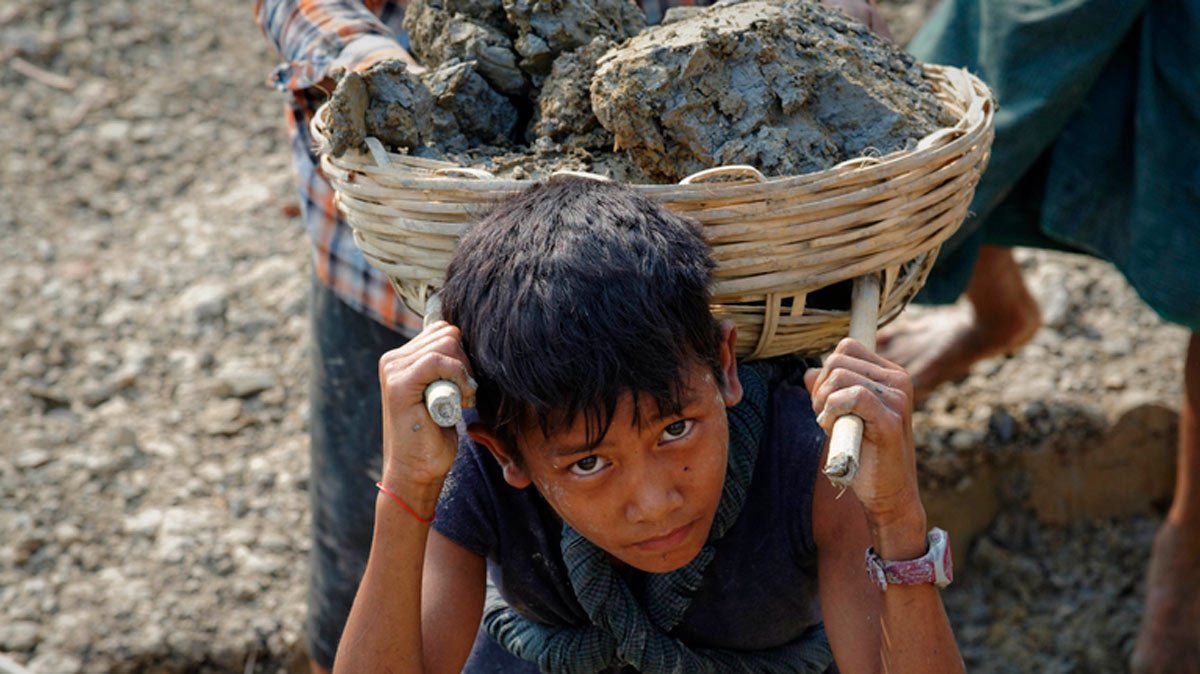
Child labor refers to any work that deprives children of their childhood, education, and full potential. According to the International Labour Organization (ILO), child labor includes work that is mentally, physically, socially, or morally harmful to children. While light chores or helping at home may teach responsibility, child labor represents a severe violation of human rights and interferes with schooling and development.
Poverty often drives child labor, forcing families to rely on their children’s income for survival. Many children work long hours in agriculture, factories, or domestic service, leaving little or no time for education. For instance, in rural South Asia, children may spend the entire day harvesting crops instead of attending school. As a result, they grow up without the skills required to improve their future economic situation. Furthermore, prolonged physical strain and exposure to harmful substances can cause serious health problems that last into adulthood.
Child Labour due to Lack of Education
Education plays a crucial role in combating child labor. Without access to quality schooling, children remain vulnerable to exploitation and limited opportunities. Therefore, governments and NGOs must ensure schools are accessible, safe, and affordable. Additionally, programs that provide scholarships, school meals, and transportation support can encourage families to send their children to school. In fact, evidence shows that when children attend school regularly, the incidence of child labor drops significantly.
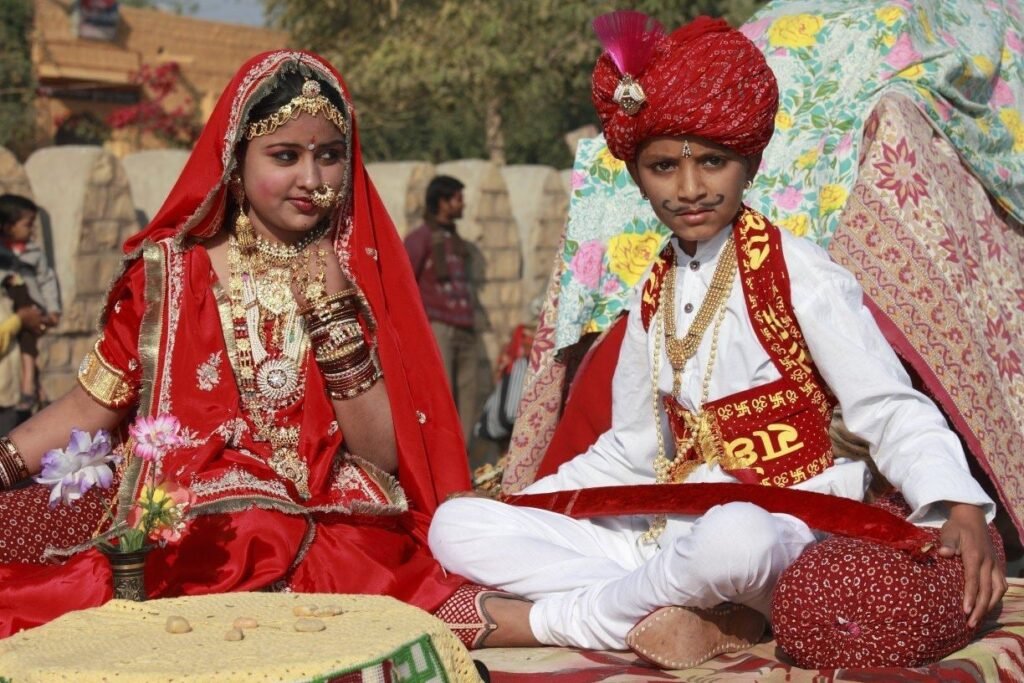
However, these traditions often conflict with international laws and children’s rights. Moreover, gender inequality can worsen the problem, as girls may face domestic work or early marriage while boys are sent to labor-intensive jobs. Consequently, awareness campaigns that challenge harmful norms become essential to changing attitudes at the community level.
The Global Landscape of Child Labor
Child labor is not limited to developing countries. While it is more visible in low-income regions, it also exists in hidden forms across the globe. In many industrialized nations, children work in informal sectors, domestic service, or even online exploitation, often going unreported. Therefore, tackling child labor requires global attention, strict enforcement of labor laws, and education initiatives everywhere.
Asia
Asia has the highest number of child laborers. Countries such as India, Bangladesh, and Pakistan have significant populations of children engaged in labor-intensive industries, including textiles, agriculture, and carpet weaving. In rural areas, poverty forces families to send children to work instead of school.
Africa
Africa has the highest proportion of child labor relative to its population. In countries like Nigeria, Ethiopia, and the Democratic Republic of Congo, children work in mining, agriculture, and domestic service. Furthermore, many African children face the dual challenges of child labor and child marriage, which further restrict their rights and opportunities.
Latin America and the Caribbean
In Latin America, child labor is prevalent in agriculture, street vending, and domestic service. Countries such as Brazil and Peru struggle with informal labor, where children work in hazardous conditions without legal protection.
Developed Countries
Even developed countries are not immune. Child labor exists in domestic work, informal sectors, and digital exploitation. Consequently, awareness campaigns and regulation enforcement remain crucial to addressing these modern forms of exploitation.
Causes of Child Labor
Understanding the causes of child labor is essential for effective solutions. Several interconnected factors create a cycle of poverty and exploitation.
Poverty
Poverty is the primary driver of child labor. Families living below the poverty line often rely on children’s earnings to meet basic needs such as food, shelter, and healthcare. In such situations, children are forced into labor as a survival strategy, perpetuating the cycle of poverty across generations.
Lack of Access to Education
High tuition fees, long distances to schools, and inadequate infrastructure prevent children from attending school. Consequently, they become more vulnerable to labor exploitation.
Cultural and Social Norms
In some societies, child labor is normalized as part of family tradition or economic necessity. Children are expected to contribute to household income or perform labor from a young age. These norms make law enforcement and interventions more challenging.
Conflict and Displacement
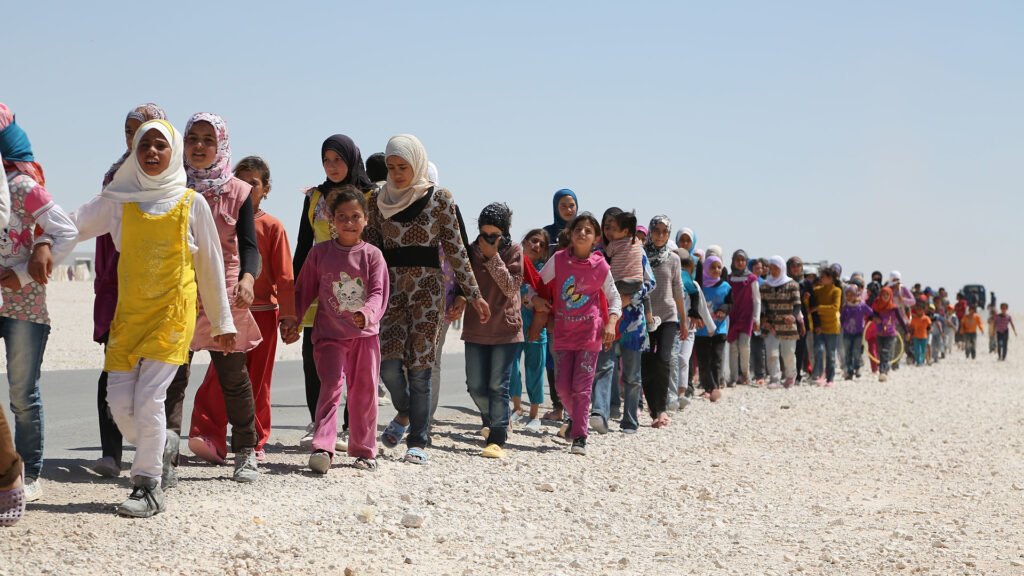
Children in conflict zones or refugee camps are at heightened risk. Displacement often leads to the loss of parental protection, forcing children into labor markets to survive. Armed groups sometimes recruit children as soldiers, messengers, or laborers, representing one of the most severe forms of child labor.
Economic Exploitation by Industries
Global supply chains in agriculture, textiles, mining, and manufacturing sometimes employ children to reduce costs. Subcontracting and informal labor markets often make monitoring and prevention difficult.
Forms of Child Labor
Child labor manifests in multiple ways, each with unique challenges and dangers.
Agricultural Work
Millions of children work in agriculture, performing physically demanding tasks such as planting, harvesting, and applying pesticides. Exposure to chemicals and long hours poses serious health risks.
Domestic Work
Children employed as domestic workers may face exploitation, abuse, and isolation. They often work long hours with little or no pay and are sometimes treated as invisible members of households.
Industrial Labor
Factories, mines, and workshops employ children in hazardous conditions. They may handle dangerous machinery, toxic substances, or perform repetitive tasks that jeopardize their physical and mental health.
Street Work
Street children engage in vending, begging, or other informal labor. They are particularly vulnerable to exploitation, trafficking, and abuse.
Armed Conflict
Children involved in armed conflicts face extreme forms of labor. They may serve as soldiers, porters, or spies. Beyond physical dangers, these children endure psychological trauma that can last a lifetime.
Consequences of Child Labor
Child labor has far-reaching consequences for individuals, families, and society.
Health Risks
Children engaged in labor are exposed to physical, mental, and emotional harm. Long working hours, hazardous environments, malnutrition, and lack of healthcare contribute to lifelong health issues.
Loss of Education
Child labor often prevents children from attending or completing school, limiting future opportunities and perpetuating poverty.
Psychological Impact
The experience of exploitation, abuse, and harsh working conditions can lead to trauma, anxiety, depression, and low self-esteem.
Intergenerational Poverty
Children deprived of education and proper development are more likely to become low-income adults, continuing the cycle of poverty for their families.
Social Inequality
Child labor reinforces social inequality, as marginalized communities are disproportionately affected. Gender, ethnicity, and socioeconomic status influence who is most likely to be exploited.
Global Efforts to Combat Child Labor
Governments, NGOs, and international organizations have taken significant steps to address child labor.
International Laws and Conventions
Key frameworks such as the UN Convention on the Rights of the Child (CRC) and ILO Conventions 138 and 182 establish legal standards to protect children. Countries that ratify these agreements are obligated to implement policies to eliminate child labor.
Education Initiatives
Programs providing free schooling, scholarships, and vocational training help children escape exploitative work environments.
Awareness Campaigns
Global campaigns, such as the Global March Against Child Labor and World Day Against Child Labor, raise awareness and mobilize action.
Corporate Responsibility
Companies are increasingly held accountable for ensuring child labor does not exist in their supply chains. Ethical sourcing, fair trade practices, and audits reduce exploitation in industries like cocoa, garments, and mining.
Community-Based Programs
Local organizations work directly with families and communities, providing alternatives to child labor. Microfinance programs, social support, and skill-building initiatives empower families to rely less on children’s income. Organizations such as UNICEF, the International Labour Organization (ILO), and advocacy networks like the Stop Child Labor Coalition and Bachpan Bachao Andolan are actively working to protect children. Additionally, promoting ethical sourcing through groups like the Fair Labor Association helps ensure children are not exploited in global supply chains. Ultimately, raising awareness, enforcing laws, and promoting education can collectively reduce child labor and ensure that every child has the opportunity to grow, learn, and thrive.
How Individuals Can Make a Difference
While global efforts are essential, individual actions also matter:
- Educate yourself and others about child labor.
- Support ethical brands that maintain child-labor-free supply chains.
- Volunteer or donate to NGOs supporting vulnerable children.
- Advocate for stronger child protection policies.
- Use social media to raise awareness and mobilize action.
Case Studies
The Textile Industry in South Asia
Millions of children work in textile and garment industries in India and Bangladesh. Despite fair trade initiatives, many children remain vulnerable to exploitation, particularly in unregulated workshops.
Cocoa Production in West Africa
In Ivory Coast and Ghana, children often work in cocoa farms under dangerous conditions, carrying heavy loads and handling chemicals. NGOs are collaborating with governments to provide education and alternative livelihoods.
Domestic Work in the Middle East
Migrant children working as domestic helpers face long hours, abuse, and isolation, often without access to education or legal protection. Policy reforms are underway, but challenges persist.
The Road Ahead: Solutions and Strategies
Eradicating child labor requires a multi-faceted approach:
- Strengthening legal enforcement and closing loopholes.
- Improving access to quality education, especially in marginalized communities.
- Empowering families economically through microfinance and job training.
- Ensuring corporate accountability across supply chains.
- Promoting global cooperation among governments, NGOs, and organizations.
Ultimately, ending child labor is not only a moral obligation but also a crucial step toward building equitable societies. Every child deserves a childhood free from exploitation, and collective action can create a world where children can grow, learn, and thrive safely.
Conclusion
Child labor remains a complex and deeply rooted problem, but it is not insurmountable. Awareness, education, policy enforcement, and global cooperation can pave the way for a world where children are free to learn, play, and grow in safety. Ending child labor is not just a moral imperative—it is an investment in the future of humanity. Every child deserves a childhood free from exploitation, and together, society can ensure that the next generation is not lost to labor.
Take Action Today
Whether through advocacy, education, ethical consumerism, or donations, every effort counts in the fight against child labor. By raising our voices, supporting vulnerable children, and promoting systemic change, we can create a world where no child is forced to work, and every child has the chance to thrive.