
When the Climate Crisis Becomes a Human Crisis
The climate crisis is no longer an abstract debate in academic conferences or government summits. It has become a lived reality for millions who face floods, droughts, cyclones, and heatwaves. What makes the climate crisis even more urgent is its human face. Every year, more people are displaced by extreme weather events than by armed conflict. Entire communities are uprooted, livelihoods destroyed, and basic human rights denied.
The climate crisis is now the most significant multiplier of humanitarian emergencies in the 21st century. From South Asia’s monsoon floods to the Horn of Africa’s drought, the climate crisis is dismantling fragile systems that sustain life. And as with most global shocks, the poorest and most vulnerable are hit hardest. You can also The Global Refugee Crisis: Stories Behind the Numbers.
Part I: The Scale of the Climate Crisis
The United Nations Office for Disaster Risk Reduction reports that climate-related disasters have doubled in the past two decades. In 2023 alone, more than 43 million people were displaced due to weather-related shocks. Clearly, the climate crisis is a primary driver of humanitarian emergencies, undermining food security, health, housing, and stability.
With each degree of warming, the risks escalate. For example, a 1.5°C rise could push an additional 122 million people into extreme poverty by 2030. At 2°C, vast coastal areas—including megacities like Mumbai, Lagos, and Jakarta—face catastrophic flooding. The climate crisis is not a distant threat; it is unfolding in real time, transforming humanitarian emergencies into everyday struggles.
Part II: Stories Behind the Climate Crisis
Bangladesh: Living with Floods
In Bangladesh, families adapt to seasonal floods that displace millions along the Brahmaputra and Ganges rivers. Homes built on bamboo stilts are swept away, while children attend floating schools on boats. The climate crisis forces survival to become a constant improvisation, deepening humanitarian emergencies every season.
Somalia: Waiting for Rain That Never Comes
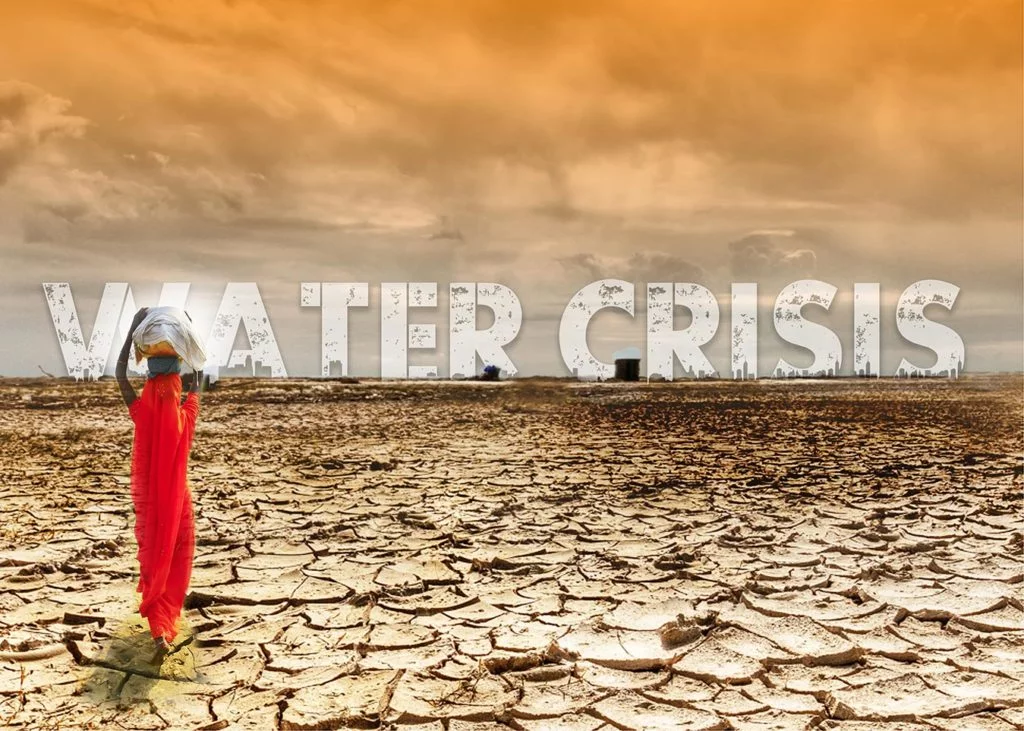
In Somalia, drought has become relentless. Livestock die, wells run dry, and food prices soar. Fatima, a mother of four, walked for days to reach a camp after her goats perished. “The rain used to come,” she explains, “now the sky is empty.” The climate crisis is dismantling pastoral livelihoods, creating humanitarian emergencies with no clear end.
Pacific Islands: Losing Paradise
For Pacific island nations like Tuvalu and Kiribati, the climate crisis is existential. Rising seas swallow coastlines, contaminate freshwater, and threaten entire cultures. Governments prepare relocation plans as schools practice evacuation drills. Here, humanitarian emergencies are not about temporary relief but about survival of identity and sovereignty.
India: Heat Beyond Endurance
India’s deadly heatwaves now reach beyond endurance. In 2022, northern India recorded temperatures above 49°C. For construction workers and farmers, the climate crisis means risking heatstroke while trying to survive. Cities experiment with cool roofs and shaded spaces, but humanitarian emergencies grow as hospitals overflow with patients.
United States: Wildfires on the Frontier
Even wealthy nations face the climate crisis. California’s wildfires, fueled by drought and high heat, destroy homes within minutes. Families evacuate, communities lose insurance coverage, and lives reset overnight. These humanitarian emergencies prove the climate crisis spares no economy.
Part III: Children and the Climate Crisis
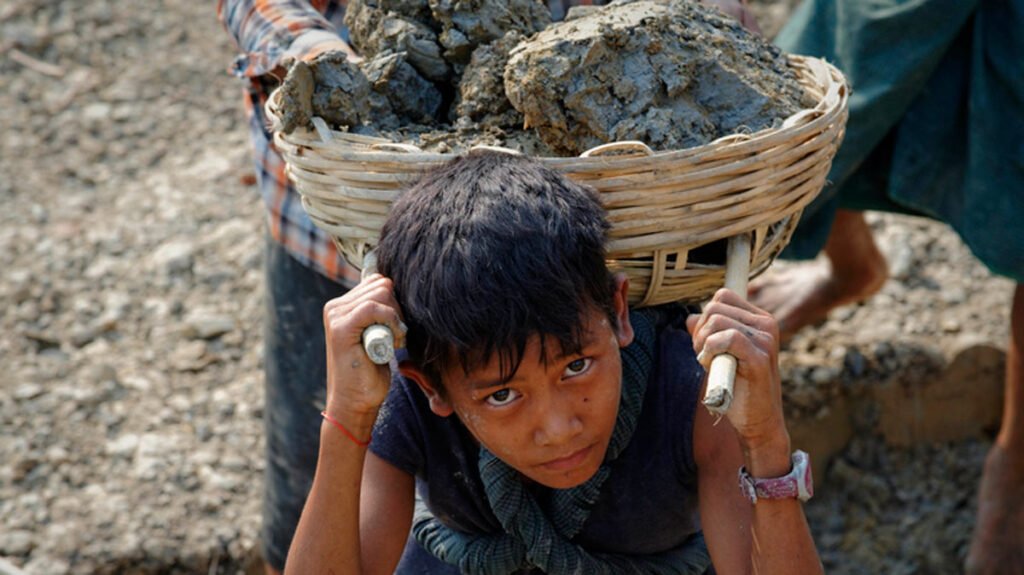
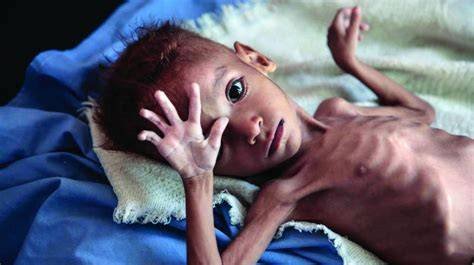
The climate crisis is stealing children’s futures. UNICEF warns that over one billion children face extreme risk. Schools shut down for months in flood zones, while girls in drought regions drop out to fetch water. Malnutrition surges as crops fail, creating humanitarian emergencies that reshape childhood.
Psychologically, children bear scars of growing up in disaster zones. Anxiety and hopelessness become their norm. Clearly, the climate crisis is not just altering the environment—it is altering childhood itself. UNICEF’s “Climate-Changed Child” report warns that over one billion children face extremely high risks due to climate impacts. The Internal Displacement Monitoring Centre notes that weather-related disasters already trigger millions of internal displacements annually.
Part IV: Gendered Impact of the Climate Crisis
Women and girls face disproportionate burdens during humanitarian emergencies. In drought-hit areas, they walk longer for water, risking harassment. In floods, they lose livelihoods tied to agriculture and informal work. Camps often expose them to gender-based violence.
Yet women also lead solutions. In Kenya, women’s groups manage scarce water resources. In the Philippines, they organize typhoon shelters. The climate crisis magnifies vulnerability but also reveals women’s resilience and leadership in humanitarian emergencies.
Part V: Migration and the Climate Crisis
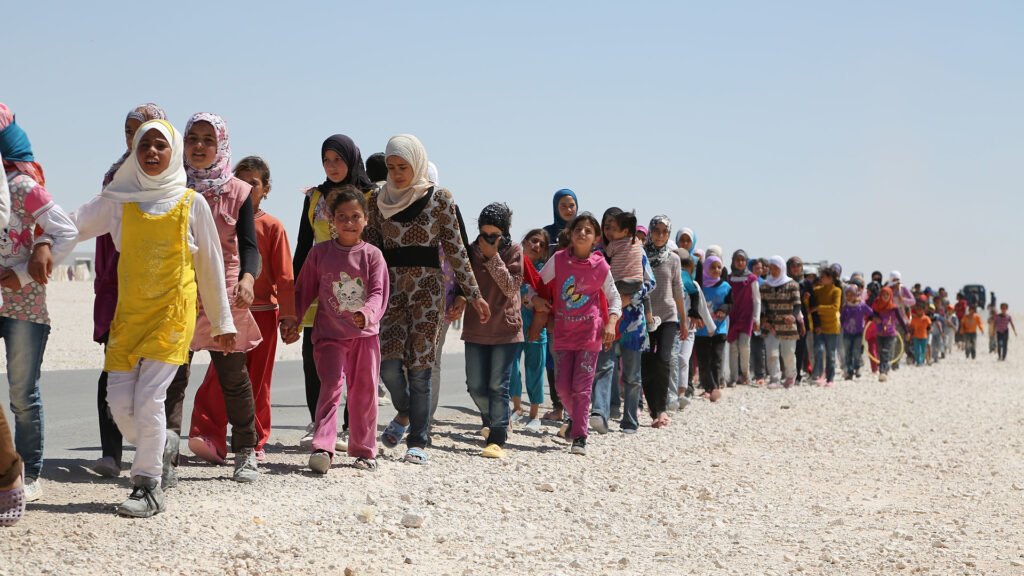
The climate crisis is driving unprecedented human mobility. By 2050, 216 million people may be displaced within their countries due to climate shocks. However, international law still fails to recognize climate migrants, leaving them in legal limbo.
In Central America, drought forces farmers to migrate northward, while in Africa, desertification fuels conflicts between herders and farmers. Clearly, humanitarian emergencies linked to the climate crisis are redrawing global migration patterns.
Part VI: Conflict and the Climate Crisis
The climate crisis often fuels violence. In Darfur, desertification worsened disputes between farmers and nomads, sparking long conflict. In the Sahel, armed groups exploit resource scarcity to recruit fighters. As a threat multiplier, the climate crisis turns drought into famine, famine into migration, and migration into instability—each step creating new humanitarian emergencies.
Part VII: Health Emergencies in the Climate Crisis
The climate crisis is also a health emergency. Rising heat expands diseases like malaria and dengue. Floods spread cholera, while heatwaves worsen respiratory and heart problems. Mental health deteriorates as survivors endure trauma.
For young people, anxiety over the future compounds physical risks. Humanitarian emergencies rooted in the climate crisis extend from hospital beds to psychological wounds.
Part VIII: Economics of the Climate Crisis
The World Meteorological Organization estimates that disasters linked to the climate crisis cost $313 billion in 2022. For poor nations, such losses erase decades of progress. Farmers in Malawi lose crops to cyclones, while fisherfolk in the Mekong Delta face shrinking catches. Tourism-dependent islands see beaches disappear. Humanitarian emergencies strip livelihoods and force reliance on aid.
Part IX: Politics of the Climate Crisis
The climate crisis is political as much as environmental. Wealthy nations, responsible for most emissions, resist paying for “loss and damage.” Climate summits produce lofty promises but slow delivery. Authoritarian governments sometimes use humanitarian emergencies to consolidate power.
Yet solidarity does exist. Global support after Pakistan’s 2022 floods led to a loss-and-damage fund at COP27. Still, the gap between pledges and delivery remains massive. The climate crisis tests international justice, exposing fractures between rich and poor.
Part X: Faith, Culture, and the Climate Crisis
Communities frame the climate crisis through culture and faith. Pacific Islanders see rising seas as spiritual loss. African farmers mourn rituals tied to vanished rains. Faith leaders increasingly call the climate crisis a moral challenge, urging stewardship and justice. Humanitarian emergencies here cut across physical and cultural survival.
Part XI: Adaptation and the Climate Crisis
Adaptation is urgent. Bangladesh grows flood-resistant rice. Ethiopia practices terraced farming. The Netherlands builds floating homes. India develops cooling centers.
Yet adaptation has limits. Without emission cuts, humanitarian emergencies will overwhelm even the best innovations. The climate crisis demands both local creativity and global responsibility.
Part XII: Towards Solutions
To address humanitarian emergencies fueled by the climate crisis, global resolve is essential:
- Mitigation: Cut emissions rapidly.
- Adaptation: Fund resilient infrastructure and systems.
- Protection for Migrants: Evolve international law to safeguard climate migrants.
- Equity: Wealthy nations must finance loss and damage.
- Grassroots Empowerment: Equip local communities with resources to adapt.
Conclusion: From Numbers to Humanity
The climate crisis is not only about carbon or temperature graphs. It is about mothers searching for food, children displaced by floods, and farmers facing cracked soil. Humanitarian emergencies remind us that the climate crisis is existential, not abstract.
If the world stays on its current path, humanitarian agencies will be overwhelmed. But with urgent and just action, the climate crisis can be slowed, and its human toll reduced. This is our shared test. Whether we fail or prevail will be measured not in degrees—but in lives.