
Introduction
Food insecurity remains one of the most urgent humanitarian issues of our time. Millions of people worldwide struggle to access sufficient, safe, and nutritious food every day. Malnutrition, resulting from inadequate dietary intake, exacerbates the problem, affecting children, adults, and entire communities. Indeed, food insecurity not only impacts physical health but also undermines education, economic development, and social stability.
This blog explores the causes of food insecurity, its consequences, and the global efforts being made to combat hunger. Moreover, it highlights how awareness, education, and sustainable solutions can address this crisis. Ultimately, tackling food insecurity requires a coordinated effort from governments, organizations, communities, and individuals.
Main Keyword: food insecurity
What is Food Insecurity?
Food insecurity refers to the lack of reliable access to enough nutritious food to maintain a healthy life. It encompasses both chronic hunger and periods of food shortage due to economic instability, natural disasters, or conflict. In addition, food insecurity includes limited access to culturally appropriate food and the inability to utilize food for optimal health.
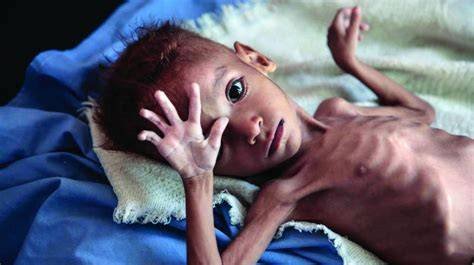
Malnutrition is a direct consequence of food insecurity. Undernutrition, stunted growth, and micronutrient deficiencies affect millions of children worldwide. Consequently, addressing food insecurity is not only about providing calories but ensuring access to balanced, nutrient-rich diets that promote health and development.
Causes of Food Insecurity
Understanding the causes of food insecurity is essential for developing effective interventions. The factors are often interconnected and require multi-dimensional solutions:
1. Poverty
Poverty is a primary driver of food insecurity. Families with limited income cannot afford sufficient or nutritious food, leading to chronic hunger. Moreover, poverty restricts access to healthcare, education, and clean water, exacerbating malnutrition. Therefore, addressing poverty is fundamental to reducing food insecurity.
2. Climate Change and Natural Disasters
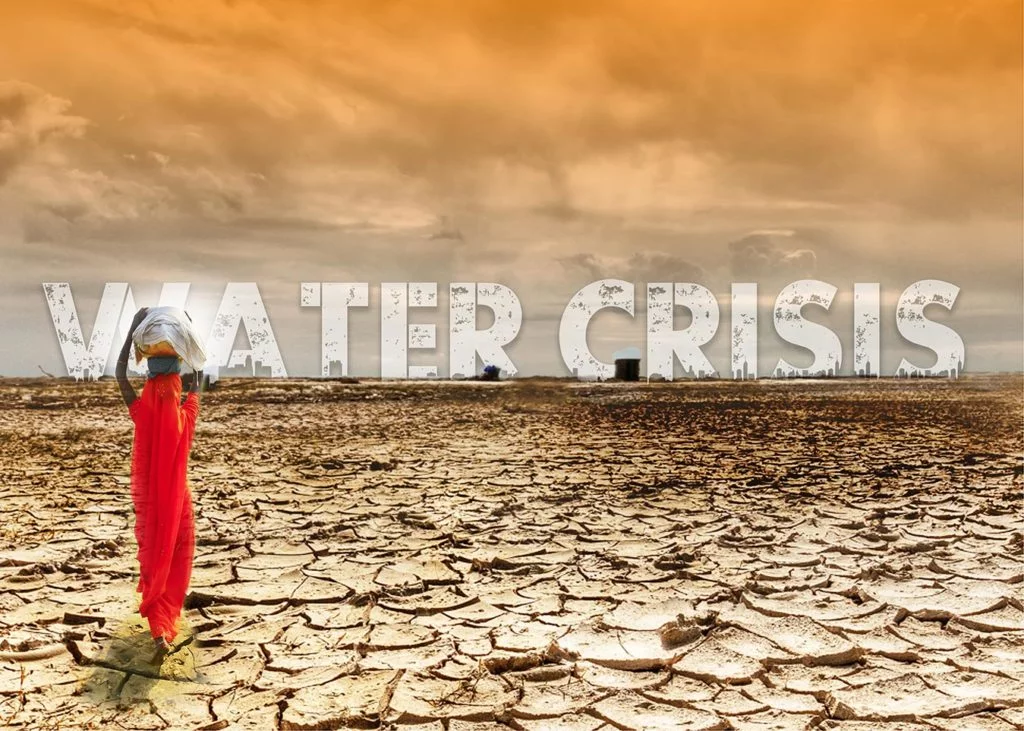
Extreme weather events, including droughts, floods, and storms, significantly impact agricultural production. Consequently, communities dependent on farming face reduced crop yields and limited food availability. Additionally, climate change disrupts food supply chains, increases food prices, and contributes to hunger in vulnerable regions.
3. Conflict and Political Instability
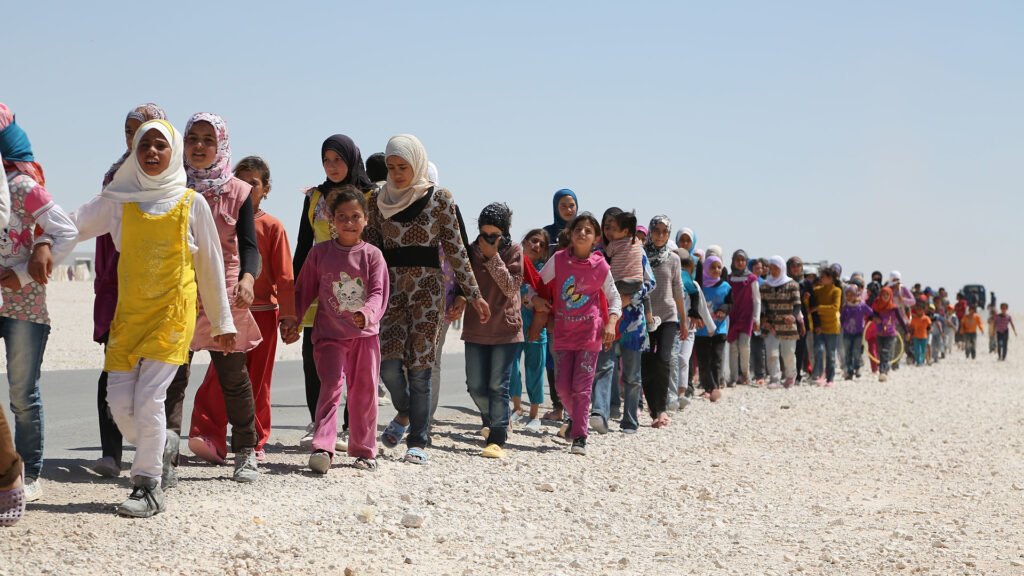
War, civil unrest, and political instability disrupt food production, distribution, and access. Refugees and displaced populations often face severe food insecurity, relying on humanitarian aid for survival. Conflict also destroys infrastructure, limiting access to markets, transportation, and essential services.
4. Poor Agricultural Practices
Unsustainable farming techniques, soil degradation, and lack of irrigation can reduce crop productivity. In addition, overreliance on a single crop and insufficient investment in agricultural innovation contribute to long-term food insecurity. Therefore, improving agricultural practices is essential to ensure food availability. You can refer to Volunteerism and Its Impact on Global Crises.
Health Consequences of Malnutrition
Food insecurity has severe health implications for children and adults alike.
1. Stunted Growth and Development
Children experiencing chronic hunger suffer from stunted growth, which affects physical development and cognitive function. Moreover, malnutrition can lead to learning difficulties and reduced school performance, limiting future opportunities.
2. Increased Vulnerability to Disease
Undernourished individuals have weakened immune systems, making them more susceptible to infections and illnesses. In particular, children and pregnant women face higher mortality risks due to malnutrition-related complications.
3. Long-Term Chronic Conditions
Malnutrition during early life increases the risk of chronic conditions such as diabetes, heart disease, and obesity in adulthood. Therefore, addressing food insecurity early is critical for preventing lifelong health consequences.
Social and Economic Impact
Food insecurity affects communities and nations beyond individual health.
- Education: Hungry children struggle to concentrate in school, leading to lower literacy rates and limited economic prospects.
- Economic Productivity: Malnutrition reduces workforce productivity and increases healthcare costs, hindering economic development.
- Social Stability: Food scarcity can trigger social unrest, migration, and conflict, destabilizing communities and countries.
Thus, solving food insecurity is essential for holistic societal development.
Impact on Children
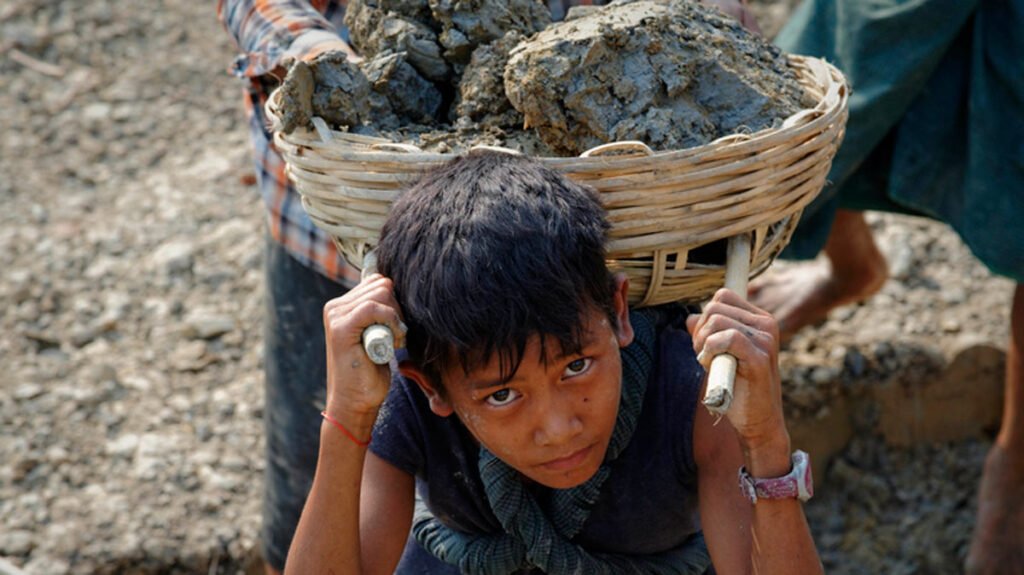
The global food insecurity and malnutrition crisis disproportionately affects children. Malnourished children face stunted growth, weakened immune systems, and impaired cognitive development. Furthermore, chronic hunger limits their ability to focus and perform well in school. As a result, children who grow up in food-insecure households often struggle to reach their full potential. Therefore, addressing this crisis requires targeted nutrition programs for children, including school meals, micronutrient supplementation, and community education on proper feeding practices.
Gender Dimensions of Food Insecurity
Women and girls often bear the brunt of the global food insecurity and malnutrition crisis. In many households, women eat last and least, leading to higher rates of malnutrition among females. Pregnant and lactating women are especially vulnerable, as insufficient nutrition affects both their health and that of their infants. Programs aimed at empowering women, improving maternal health, and ensuring equitable food distribution are crucial to tackling this aspect of the crisis.
Urban vs. Rural Food Insecurity
The global food insecurity and malnutrition crisis manifests differently in urban and rural settings. In rural areas, limited access to farmland, water shortages, and poor infrastructure restrict food production. Conversely, urban areas face challenges related to food affordability, distribution, and access to fresh produce. Consequently, tailored strategies are necessary to address food insecurity in diverse contexts, including urban gardening, improved market access, and rural agricultural support programs.
Food Waste and Its Role
Food waste contributes significantly to the global food insecurity and malnutrition crisis. According to the FAO, nearly one-third of all food produced is lost or wasted, which could otherwise feed millions of hungry people. Reducing food waste at every stage—from production to consumption—can improve food availability, lower prices, and support nutrition initiatives. Therefore, governments, businesses, and individuals must implement strategies to minimize waste and maximize food security.
Climate Change and Food Systems
Climate change intensifies the global food insecurity and malnutrition crisis by affecting crop yields, water availability, and weather patterns. Droughts, floods, and rising temperatures threaten staple crops and livestock, reducing food supply and increasing prices. Consequently, communities that rely on small-scale farming are especially vulnerable. Investing in climate-resilient agriculture, irrigation systems, and sustainable farming techniques is essential to ensure long-term food security.
Technology and Innovation
Technology can play a transformative role in addressing the global food insecurity and malnutrition crisis. Mobile apps can connect farmers to markets, drones can monitor crop health, and data analytics can optimize supply chains. Additionally, innovations in food fortification and biofortified crops can enhance nutrition in vulnerable populations. By leveraging technology, governments and organizations can improve both access to food and its nutritional quality.
International Cooperation
Tackling the global food insecurity and malnutrition crisis requires international collaboration. Organizations like the World Food Programme, FAO, and UNICEF coordinate global responses to hunger, distribute emergency food aid, and promote sustainable agriculture. Furthermore, countries must work together to address trade barriers, climate impacts, and conflicts that exacerbate food insecurity. Coordinated international action ensures that resources are effectively allocated to the areas most in need.
Global Efforts to Combat Food Insecurity
1. International Organizations
Organizations like FAO, World Food Programme, and UNICEF play vital roles in addressing food insecurity. These agencies provide emergency food aid, support sustainable agriculture, and implement nutrition programs for vulnerable populations.
2. Government Policies
Governments worldwide implement policies to ensure food access, including subsidies for farmers, school meal programs, and nutrition assistance initiatives. In addition, laws supporting land rights and agricultural development strengthen local food systems.
3. Community-Based Interventions
Local communities contribute by establishing food banks, community gardens, and education programs. Volunteers play an essential role in distributing food, raising awareness, and teaching sustainable practices to improve nutrition.
4. Technological Innovations
Advances in agriculture, such as drought-resistant crops, precision farming, and mobile apps for market access, help improve food security. Additionally, technology can monitor malnutrition rates, optimize food distribution, and enhance data-driven policy decisions.
Policy Interventions to Reduce Hunger
Effective policies play a pivotal role in mitigating the global food insecurity and malnutrition crisis. Governments can implement social protection programs such as food stamps, subsidies, and school feeding schemes. Additionally, land reform policies and investments in rural infrastructure improve access to farmland and markets. By combining economic, agricultural, and nutritional policies, nations can significantly reduce hunger and malnutrition while promoting long-term food security.
Role of Non-Governmental Organizations
Non-governmental organizations (NGOs) are on the front lines of addressing the global food insecurity and malnutrition crisis. NGOs provide emergency food aid, distribute fortified meals, and educate communities about nutrition and sustainable farming practices. Programs such as community kitchens and mobile health clinics empower local populations while ensuring that vulnerable groups receive adequate food. Moreover, NGOs often advocate for policy changes and hold governments accountable for ensuring equitable access to food.
Community-Based Solutions
Community engagement is crucial to tackling the global food insecurity and malnutrition crisis. Local initiatives, such as community gardens, cooperative farming, and nutrition education programs, foster resilience and self-sufficiency. For instance, urban gardening projects allow city dwellers to grow fresh produce, while rural cooperatives pool resources to improve crop yields. By empowering communities to take action, these programs address both food availability and awareness about proper nutrition.
Corporate Responsibility
Corporations can significantly impact the global food insecurity and malnutrition crisis through responsible business practices. Food companies can reduce waste, source ingredients ethically, and invest in programs that support local farmers. Additionally, businesses can collaborate with governments and NGOs to distribute nutritious food in underserved areas. By adopting corporate social responsibility initiatives, companies help create a more sustainable and equitable food system.
The Importance of Nutrition Education
Nutrition education is a key tool in combating the global food insecurity and malnutrition crisis. Teaching communities about balanced diets, proper food preparation, and the importance of vitamins and minerals can prevent malnutrition and improve health outcomes. Schools, healthcare centers, and community workshops play a vital role in spreading knowledge. Furthermore, informed communities are better equipped to make decisions that support both personal and collective food security.
Emergency Food Aid and Disaster Relief
In times of crisis, such as natural disasters, conflicts, or economic shocks, emergency food aid is critical to address the global food insecurity and malnutrition crisis. Humanitarian organizations distribute food rations, ready-to-eat meals, and fortified supplements to affected populations. Prompt relief prevents starvation, reduces health risks, and provides communities with the stability needed to recover. Emergency interventions, when combined with long-term development programs, strengthen resilience against future food insecurity.
Monitoring and Research
Data and research are essential for understanding and addressing the global food insecurity and malnutrition crisis. Monitoring food prices, crop yields, and nutrition statistics allows governments and organizations to make informed decisions. Research into sustainable farming, climate-resilient crops, and fortified foods provides innovative solutions to reduce hunger. By prioritizing evidence-based approaches, stakeholders can implement strategies that have a lasting and measurable impact.
Individual Actions to Reduce Food Insecurity
Everyone can contribute to addressing global hunger:
- Support Local and Ethical Food Initiatives: Purchase from community-supported agriculture or organizations promoting sustainable food systems.
- Volunteer and Donate: Contribute to food banks, meal programs, and NGOs addressing hunger.
- Raise Awareness: Use social media and community networks to educate others about food insecurity.
- Advocate for Policy Change: Encourage governments to invest in agriculture, nutrition programs, and social safety nets.
By taking small steps, individuals can collectively make a significant impact in reducing food insecurity.
Case Studies: Success Stories
1. Brazil’s Zero Hunger Program
Brazil implemented the Zero Hunger initiative to provide meals to schoolchildren, support small farmers, and reduce poverty. Consequently, malnutrition rates decreased, and school attendance increased, showing the power of coordinated national programs.
2. Community Gardens in Africa
Community gardens in countries like Kenya and Uganda have improved local food availability, provided income opportunities, and educated communities on nutrition. These projects empower communities to tackle food insecurity sustainably.
3. Refugee Food Assistance Programs
Humanitarian organizations provide targeted food aid to refugees in conflict zones. These programs reduce hunger, prevent malnutrition, and improve overall health outcomes for displaced populations.
Conclusion
Food insecurity and malnutrition remain critical humanitarian challenges affecting millions globally. Their consequences span health, education, economic development, and social stability. Addressing this crisis requires coordinated efforts from governments, international organizations, communities, and individuals.
Ultimately, combating food insecurity involves improving agricultural practices, providing access to nutritious food, raising awareness, and implementing effective policies. By working together, societies can reduce hunger, promote health, and ensure that every person has the right to adequate and nutritious food.