
From Relief to Resilience
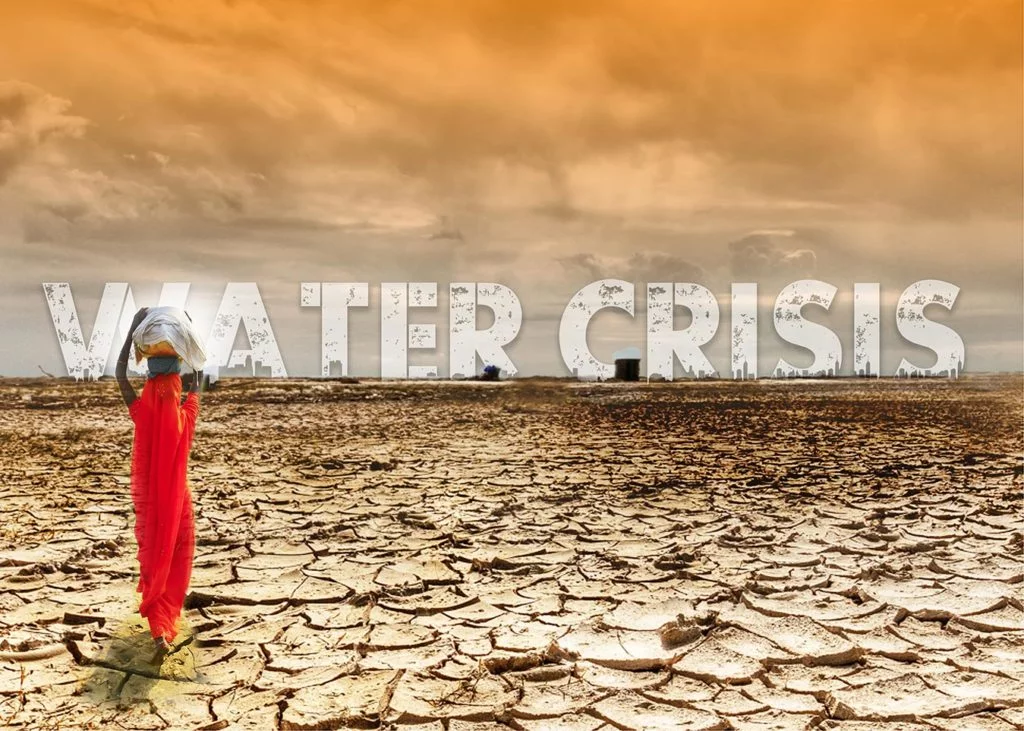
Humanitarian crises—whether caused by natural disasters, armed conflict, or health emergencies—affect millions of people every year. Humanitarian aid has long been the primary response, delivering food, water, shelter, and medical assistance to save lives. Yet, while immediate relief is essential, it alone cannot address the structural causes of vulnerability.
Sustainable development complements humanitarian aid by focusing on long-term solutions: strengthening communities, improving infrastructure, promoting education, and creating economic opportunities. When these two approaches work together, they offer more than survival—they offer hope, stability, and resilience. The challenge lies in bridging the gap between short-term response and long-term development, ensuring that communities are empowered to withstand future shocks.
Part I: Understanding Humanitarian Aid
Humanitarian aid is the first line of defense during crises. Organizations such as the Red Cross, UNICEF, and Médecins Sans Frontières provide critical support during emergencies, delivering food, clean water, temporary shelters, and medical care. In 2023 alone, over 150 million people worldwide required humanitarian assistance due to conflict, climate disasters, and epidemics.
While humanitarian aid saves lives, it also faces limitations. Aid can be disrupted by insecurity, political constraints, and logistical challenges. Without coordination with development programs, communities may become dependent on temporary support, leaving them vulnerable once aid ends.
Part II: The Role of Sustainable Development
Sustainable development seeks to address root causes of vulnerability. It focuses on five main pillars:
- Economic Empowerment: Providing livelihoods and supporting local businesses reduces dependence on aid.
- Education and Skills: Access to education empowers communities to innovate and thrive.
- Healthcare Access: Preventive and primary healthcare improves resilience to disease outbreaks.
- Environmental Sustainability: Protecting ecosystems and preparing for climate risks reduces disaster impacts.
- Social Inclusion and Governance: Ensuring marginalized groups are involved in decision-making strengthens community cohesion.
By focusing on these pillars, sustainable development reduces the likelihood of crises and creates communities that can better absorb shocks.
Part III: Stories Behind the Numbers
Bangladesh: Floods and Community Resilience
In Bangladesh, seasonal floods displace millions, destroying homes and crops. Humanitarian aid provides immediate relief—boats delivering food and clean water, medical teams addressing injuries and infections. However, sustainable development initiatives, such as flood-resistant housing, early warning systems, and resilient crop varieties, ensure that communities are better prepared for future floods. Villagers like Amina now rebuild their lives faster and with less reliance on outside assistance.
Syria: Conflict and Long-Term Recovery
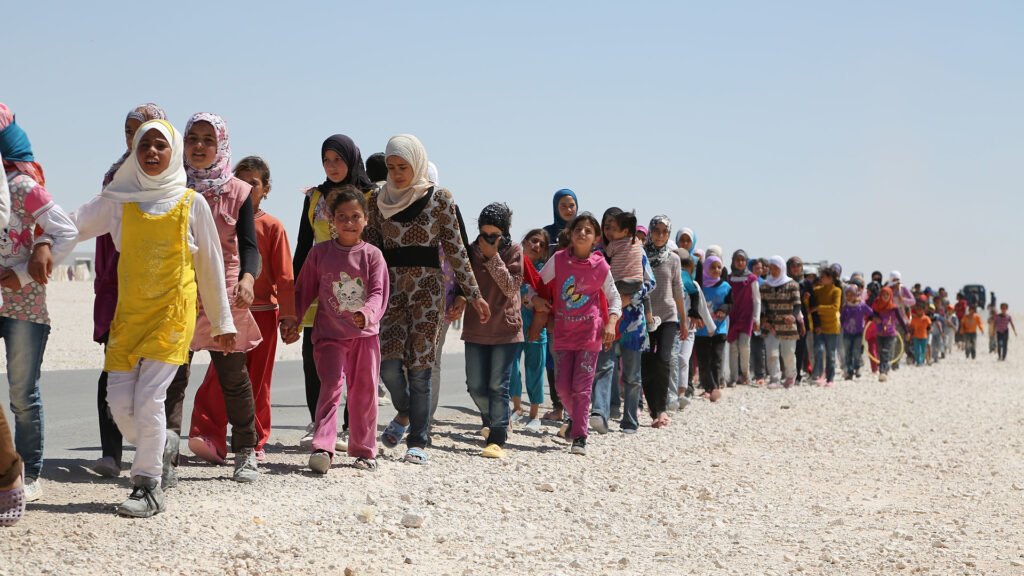
In conflict-affected regions like Syria, humanitarian aid addresses urgent needs—shelter for displaced families, emergency medical care, and access to food. Meanwhile, development programs focus on education for children, vocational training for youth, and rebuilding infrastructure. Combining these approaches allows communities to recover more effectively, preventing cycles of displacement and vulnerability.
Sub-Saharan Africa: Health and Education
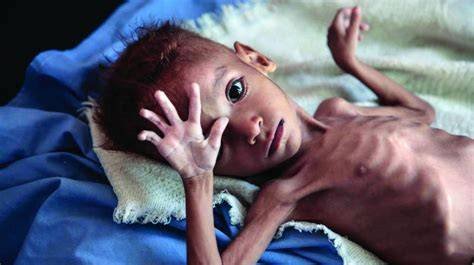
In parts of sub-Saharan Africa, repeated droughts and food insecurity force families into chronic dependence on aid. Sustainable development programs—such as water management, school feeding programs, and agricultural training—help communities achieve food security, maintain health, and keep children in school. Over time, these initiatives reduce reliance on humanitarian assistance and promote self-sufficiency.
Part IV: Integrating Humanitarian Aid and Sustainable Development
Effective integration requires planning and coordination. Humanitarian organizations increasingly adopt a “resilience” approach: providing immediate relief while supporting long-term development goals. For example:
- Cash Transfers: Instead of only distributing food, aid programs provide cash, empowering families to buy what they need while supporting local markets.
- Livelihood Programs: Emergency aid includes training in farming, craft-making, or small business development, bridging the gap between relief and development.
- Infrastructure Projects: Temporary shelters are upgraded to permanent housing using durable materials and community involvement.
Transitioning from aid to development reduces dependency, strengthens local economies, and increases community resilience.
Part V: Gender and Humanitarian Response
Women and girls often face disproportionate challenges in crises. They are more vulnerable to gender-based violence, exploitation, and exclusion from aid distribution. Sustainable development initiatives that prioritize women—through microfinance, education, and leadership programs—create long-term benefits for entire communities.
In Kenya, women’s cooperatives manage water resources and small businesses after floods. Their involvement ensures aid is used effectively and strengthens community resilience. Empowering women is therefore both a humanitarian and a development imperative.
Part VI: Climate Change and Resilience
The effects of climate change—droughts, floods, storms—intensify humanitarian crises. Sustainable development addresses these risks by promoting climate-smart agriculture, reforestation, and disaster preparedness.
In the Philippines, coastal communities facing typhoons benefit from early warning systems and elevated homes, supported by both aid agencies and long-term development programs. These interventions reduce casualties and losses while helping communities recover faster.
Part VII: Health Systems and Crisis Preparedness
Health crises, such as epidemics, highlight the need for strong systems. Humanitarian aid delivers vaccines, medical personnel, and emergency care, while development focuses on building sustainable healthcare infrastructure. UNICEF Countries with robust health systems are better equipped to handle shocks, reducing the reliance on external aid.
For example, during the Ebola outbreak in West Africa, communities with pre-existing health programs and trained local health workers managed containment more effectively than those relying solely on emergency interventions.
Part VIII: Economic Empowerment and Recovery
Economic stability is central to resilience. Humanitarian aid provides immediate support, but sustainable development ensures communities can earn a living and reinvest in their future. Vocational training, access to credit, and microenterprise programs transform lives, allowing families to recover without prolonged dependency on aid.
In Haiti, after the 2010 earthquake, cash-for-work programs and vocational training enabled survivors to rebuild homes, restart businesses, and regain independence. Such initiatives demonstrate that combining aid with development strategies accelerates recovery and fosters sustainable growth.
Part IX: Policy, Governance, and International Cooperation
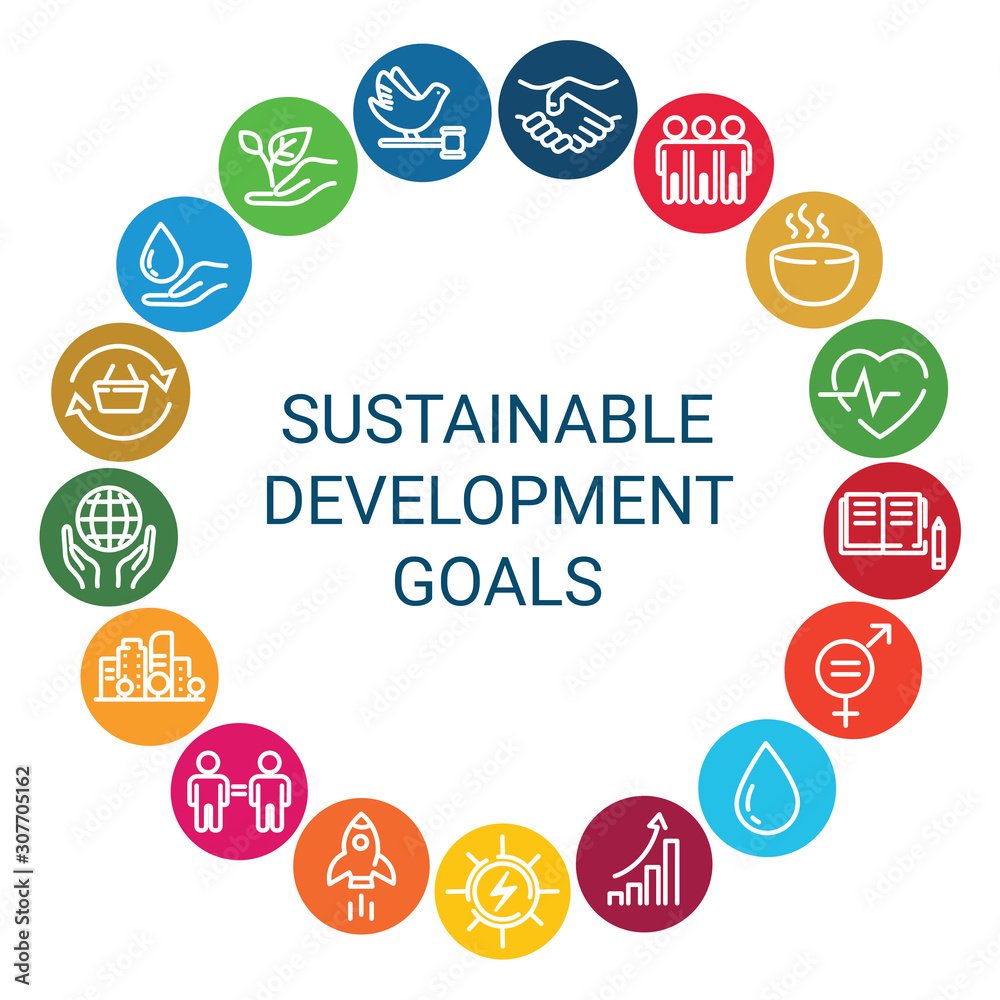
Government policies and international cooperation are critical. Humanitarian aid must align with national priorities and development plans to be effective. International frameworks, like the Sendai Framework for Disaster Risk Reduction and the Sustainable Development Goals, emphasize the link between aid and development.
Countries that invest in resilient infrastructure, inclusive governance, and social protection reduce the long-term costs of crises and ensure that humanitarian interventions are more effective. Collaboration between NGOs, governments, and local communities is essential for building resilience at scale.
Part X: Challenges and Lessons Learned
Integrating humanitarian aid with sustainable development is not without challenges:
- Coordination between agencies and governments can be difficult.
- Funding is often short-term, while development requires long-term investment.
- Political instability and conflict can disrupt both aid and development programs.
- Measuring impact is complex, as success depends on multiple social, economic, and environmental factors.
Despite these challenges, lessons from past crises show that holistic approaches—linking relief with resilience-building—yield the most effective outcomes. You can refer to The Cycle of Poverty: How to Break It.
Part XI: Moving Forward: Strategies for Success
To maximize impact, humanitarian and development programs should:
- Adopt a Resilience Approach: Plan relief with long-term outcomes in mind.
- Engage Communities: Include local voices in decision-making.
- Prioritize Education and Health: Strengthen systems that reduce vulnerability.
- Empower Women and Marginalized Groups: Ensure equitable access to resources and opportunities.
- Invest in Infrastructure: Build durable housing, schools, and water systems.
- Leverage Technology: Use digital platforms for education, cash transfers, and disaster alerts.
- Coordinate Globally: Align aid with development goals for sustainable impact.
Conclusion: From Relief to Resilience
Sustainable development and humanitarian aid are two sides of the same coin. While humanitarian aid addresses immediate needs, sustainable development ensures communities can withstand future shocks. Together, they provide a pathway from crisis to stability, from vulnerability to empowerment.
The world faces growing challenges: climate change, conflict, and inequality. Meeting these requires coordinated action, long-term investment, and a focus on resilience. By combining relief with sustainable development, we can protect human dignity, foster opportunity, and build a future where communities not only survive but thrive.
Sustainable development and humanitarian aid are not optional—they are essential. Each intervention, whether delivering emergency food or building resilient schools, brings humanity one step closer to a world that is just, equitable, and prepared for the challenges of tomorrow.