
Introduction
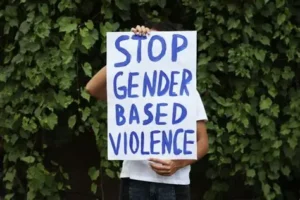
Gender-based violence remains one of the most widespread and devastating human rights violations in the world today. It transcends national borders, cultural traditions, and socioeconomic divides, affecting women, men, girls, and boys across every continent. However, women and girls are disproportionately the victims of violence against women, making it both a gender issue and a humanitarian crisis. The term gender-based violence refers to harmful acts directed at individuals based on their gender identity or social roles. This violence manifests in various forms, including domestic abuse, sexual assault, intimate partner violence, early and forced marriage, human trafficking, and psychological abuse.
Although international frameworks, conventions, and laws have made significant progress in acknowledging and addressing gender-based violence, millions continue to suffer daily. Moreover, the stigma, fear, and silence surrounding domestic abuse and sexual violence further prevent survivors from seeking justice or medical care. As a result, countless cases go unreported, allowing cycles of abuse to persist unchecked.
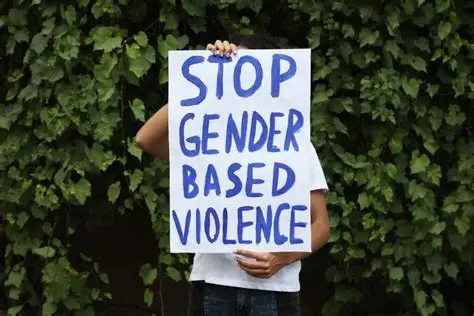
Therefore, raising awareness and educating communities about gender-based violence is not simply an option—it is a necessity. In this blog post, we will explore the definition, causes, consequences, and prevention strategies of gender-based violence. Furthermore, we will examine the global efforts being made to combat violence against women and promote gender equality. Ultimately, understanding the complexities of gender-based violence will enable individuals, communities, governments, and organizations to take effective action and contribute to a safer, more equitable world.
Understanding Gender-Based Violence
To understand gender-based violence, it is essential to recognize that it is rooted in unequal power dynamics. Societies across the world have historically assigned men and women different roles, responsibilities, and privileges. Consequently, patriarchal systems have normalized violence against women as a way to control, dominate, or silence them. In addition, harmful social norms reinforce the idea that women are inferior, dependent, or less deserving of freedom and safety.
Gender-based violence can be categorized into several major forms. First, physical violence includes acts such as hitting, beating, burning, or physical assault. Second, sexual violence refers to rape, sexual assault, coercion, exploitation, and harassment. Third, psychological violence involves threats, intimidation, humiliation, or emotional manipulation. Fourth, economic violence occurs when individuals are denied access to financial resources, employment opportunities, or property. Furthermore, harmful traditional practices, such as female genital mutilation, child marriage, and honor-based crimes, also fall under gender-based violence.
Moreover, gender-based violence does not occur in isolation. For example, intimate partner violence often combines physical abuse with economic control and emotional manipulation. Similarly, trafficking victims experience sexual exploitation, forced labor, and psychological trauma simultaneously. Therefore, addressing gender-based violence requires a comprehensive understanding of its interconnected forms.
It is also important to note that while women and girls bear the brunt of violence against women, men and boys can also be victims. For instance, men may face sexual violence in conflict zones, and boys may experience abuse in institutional settings. In addition, individuals who identify as LGBTQ+ are at increased risk due to discrimination, stigma, and social exclusion. Ultimately, gender-based violence affects everyone and undermines the very fabric of society.
Causes and Contributing Factors
The causes of gender-based violence are complex and multi-layered. At its core, it stems from deeply ingrained gender inequality and social norms that condone violence. However, several other factors interact to fuel the prevalence of domestic abuse and sexual violence worldwide.
1. Cultural and Social Norms
In many communities, traditional beliefs dictate that men hold authority over women. Consequently, when women challenge these roles, they may face violence as a form of punishment. Practices such as child marriage or honor killings are often justified under the guise of culture, even though they are blatant human rights violations.
2. Economic Inequality
Poverty and lack of economic opportunities can intensify gender-based violence. Women who are financially dependent on abusive partners often cannot leave due to lack of resources. Moreover, perpetrators may deliberately restrict women’s access to money or employment as a way of maintaining control.
3. Armed Conflict and Humanitarian Crises
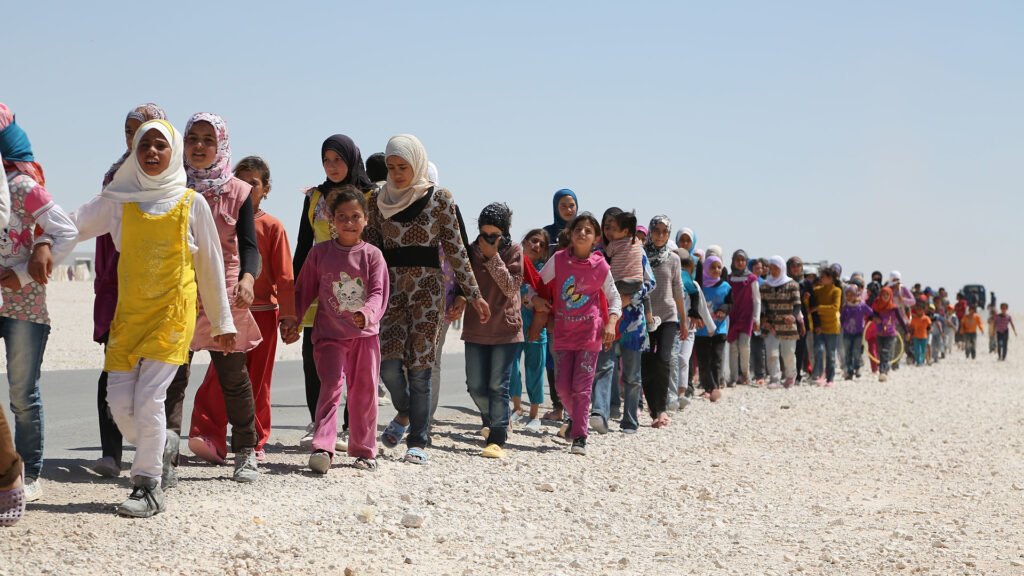
Conflict zones see a sharp rise in sexual violence. Women and girls are often targeted as weapons of war, facing rape, trafficking, and forced marriage. Refugees and displaced persons are particularly vulnerable due to weakened protection systems. Therefore, humanitarian crises exacerbate existing vulnerabilities and expose women and girls to heightened risks.
4. Legal and Institutional Gaps
Weak legal frameworks or lack of enforcement contribute to impunity. In many countries, survivors of intimate partner violence or sexual assault face barriers in reporting crimes, ranging from police inaction to societal stigma. As a result, perpetrators continue their abuse without fear of accountability.
5. Alcohol, Drugs, and Stress
Substance abuse and social stressors, such as unemployment, may escalate violent behaviors. However, while these factors contribute, they do not excuse violence. The underlying cause remains systemic inequality and power imbalance.
Ultimately, gender-based violence is both a cause and a consequence of inequality. It thrives where discrimination is tolerated, and silence is enforced.
Consequences and Impact
The consequences of gender-based violence extend far beyond the immediate victim. They ripple across families, communities, and entire nations.
Physical and Health Impacts
Survivors of violence against women often suffer physical injuries ranging from bruises to life-threatening harm. In addition, sexual violence can lead to unwanted pregnancies, sexually transmitted infections, and complications from unsafe abortions. Maternal health is also jeopardized when women are denied autonomy or forced into early marriages.
Psychological Impacts
Beyond physical harm, survivors endure psychological trauma. Depression, anxiety, post-traumatic stress disorder, and suicidal thoughts are common outcomes. Moreover, children who witness domestic abuse face long-term emotional scars and may replicate violent behaviors in adulthood.
Social and Economic Consequences
Gender-based violence weakens social structures. Women excluded from education or employment due to violence cannot fully contribute to their communities. Consequently, households remain trapped in cycles of poverty. At the national level, the economic cost of domestic abuse and sexual violence includes healthcare expenses, lost productivity, and reduced workforce participation.
Generational Effects
Violence does not end with one individual. Children exposed to violence internalize harmful gender norms and may perpetuate them in their relationships. Therefore, prevention is not only about protecting today’s survivors but also breaking the cycle for future generations.
Prevention Strategies and Solutions
Addressing gender-based violence requires coordinated, multi-level interventions.
1. Education and Awareness
Education is one of the most powerful tools against gender-based violence. Schools can teach young people about consent, respect, and equality. Moreover, community awareness campaigns challenge harmful stereotypes and promote healthier relationships.
2. Strengthening Laws and Policies
Governments must enact and enforce laws criminalizing domestic abuse, sexual violence, and harmful practices. In addition, survivors need access to justice systems that prioritize their safety and dignity. Strong legal frameworks send a message that violence will not be tolerated.
3. Empowering Women Economically
Economic independence provides women with options and safety. Programs that promote access to jobs, microfinance, and property rights reduce dependence on abusive partners. Furthermore, economic empowerment changes power dynamics within households and communities.
4. Support Services for Survivors
Healthcare, counseling, and safe shelters are critical. Survivors need immediate medical attention, psychological support, and long-term rehabilitation. Moreover, hotlines and legal aid services provide accessible channels for seeking help.
5. Engaging Men and Boys
Preventing gender-based violence requires the involvement of men and boys. Educating men about equality and respect helps dismantle toxic masculinity and challenges harmful norms. In addition, role models and community leaders can advocate for change and set positive examples.
6. International Cooperation
Since gender-based violence is a global issue, international collaboration is essential. Organizations such as the United Nations, World Health Organization, and non-governmental groups play a vital role in funding programs, sharing data, and monitoring progress.
Global Efforts and the Way Forward
In recent decades, global awareness of gender-based violence has grown. Campaigns such as UN Women’s “HeForShe” and the “16 Days of Activism” have mobilized millions worldwide. Moreover, international conventions like CEDAW (Convention on the Elimination of All Forms of Discrimination Against Women) provide legal frameworks for action.
Gender-based violence remains one of the most urgent humanitarian challenges of our time. According to UN Women, nearly one in three women worldwide has experienced physical or sexual violence. Moreover, the World Health Organization emphasizes that violence against women has serious health impacts, including trauma, depression, and reproductive health issues. In addition, advocacy groups such as Amnesty International continue to campaign for stronger protections and survivor-centered policies. Therefore, raising awareness and supporting global initiatives is crucial for ending gender-based violence and creating safer communities.
However, progress remains uneven. Some regions have made significant advances, while others continue to struggle with entrenched cultural practices and weak enforcement. Therefore, the way forward must involve sustained commitment, adequate funding, and grassroots mobilization.
Ultimately, preventing gender-based violence is not solely about punishing perpetrators—it is about creating societies where respect, equality, and justice prevail. Communities must reject harmful norms, governments must uphold strong protections, and individuals must advocate for change. Together, we can break the cycle of violence and ensure that every person, regardless of gender, lives free from fear and harm.